
Find Relief from Osteoarthritis Pain
Are you experiencing persistent joint pain, particularly in a weight-bearing joint like your hip or knee? Do you ever notice a clicking or grinding sensation in your painful joint? If so, you may have developed osteoarthritis, the most common form of arthritis in the United States.
Arthritis is an umbrella term for over 100 conditions that cause joint inflammation and lead to pain and restricted mobility. The source of that inflammation will vary depending on the type of arthritis. Osteoarthritis is caused by the degeneration of the cartilage and bone tissue in the affected joint.
Osteoarthritis has no cure and can profoundly impact your overall quality of life, making it harder for you to stay active, keep up with chores, and enjoy time with your loved ones. Fortunately, physical therapy at Peak Physical Therapy and Sports Performance offers several tools and techniques to help you manage your symptoms — often enough that you can delay or even avoid surgical interventions.
If you’re tired of living with osteoarthritis pain, call us to schedule an appointment today!
We’re Hiring – Join Our Caring Team!
At Peak Physical Therapy and Sports Performance, we believe in empowering lives through movement, compassion, and purpose. We’re currently hiring talented individuals who share our values of caring deeply, growing forward, leading the way, and creating joy. Whether you’re a licensed therapist, support staff, or passionate about wellness, there could be a place for you here. If you want to make a real difference in people’s lives and join a mission-driven team, visit our Careers page to see open roles.
Understanding Osteoarthritis:
Symptoms and Causes
The primary symptoms of osteoarthritis are pain and stiffness in the affected joint. These symptoms often manifest in the following ways:
- Pain during activity but not while at rest
- Pain when you press on the joint
- Joint stiffness first thing in the morning
- Joint stiffness after sitting or lying down for long periods
- Noises in the joint, including creaking, cracking, or crunching
While any joint can develop osteoarthritis, it most commonly occurs in weight-bearing joints like the knees and hips. However, it’s also fairly common in the hands, spine, and feet.
The causes of osteoarthritis are complex, and several factors can contribute to it. One of these factors is age: approximately 73% of people with the condition are 55 years or older. That’s not to say osteoarthritis is an inevitable part of the aging process — plenty of older people don’t have it. But your chances of developing it do increase as you age.
Other possible factors contributing to osteoarthritis include past injuries to the joint, gender (women are more likely to develop it than men), body weight, and even genetic predispositions.
Maximize Your Insurance Benefits Before the Year Ends!
As the end of the year approaches, it’s the perfect time to check on your insurance deductible and make the most of your physical therapy benefits. Many insurance plans reset on January 1st, which means any unused benefits may not roll over. If you’ve already met your deductible, your out-of-pocket costs for physical therapy could be significantly reduced—or even fully covered—for the remainder of the year.
Why It Matters:
- Insurance deductibles often reset annually
- You may be eligible for more covered visits now
- It’s a smart time to complete your treatment plan
- Avoid losing benefits you’ve already paid into
If you’re not sure where you stand with your deductible, our team is happy to help you verify your insurance and answer any questions.
How Physical Therapy Helps Manage Osteoarthritis Symptoms
The good news is that you can control osteoarthritis symptoms with the help of physical therapy. Although movement can be painful with osteoarthritis, exercise is one of the best drug-free ways to manage the condition. Our physical therapists will help you find an exercise program that suits your needs.
Here’s how we’ll do it:
- Provide Strategies for Activity Modifications: Finally, we can help you identify and avoid any specific activities that might put too much strain on your joints. If needed, we can also show you how to use mobility aids (such as canes or walkers).
- Comprehensive Evaluation: We start by evaluating how osteoarthritis impacts you, including performing simple tests to assess your strength, mobility, and/or balance. We’ll also ask you about the ways that osteoarthritis is negatively affecting your life. For example, which activities do you find challenging?
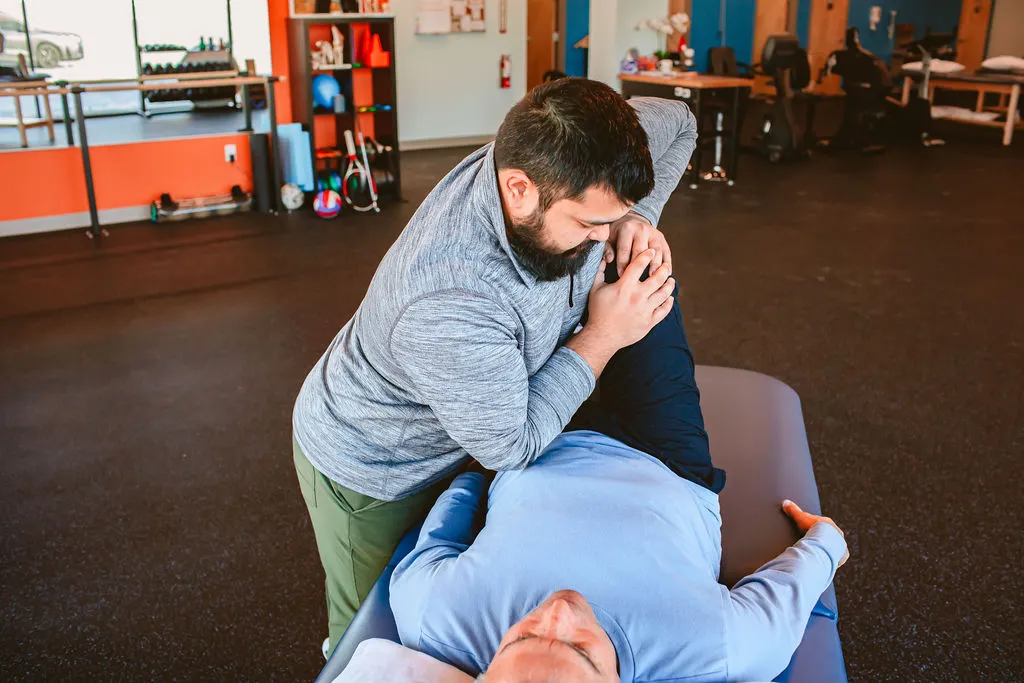
- Provide Pain Relief: We’ll use manual therapy techniques to help manage your pain and get the joint moving in a gentle way. For example, we might guide the joint through its current range of motion or manipulate the surrounding soft tissue.
- Build Strength and Restore Mobility: We’ll develop a customized, progressive exercise program to rebuild lost strength and mobility in the affected joint. Building strength, in particular, can help support and protect the joint so you can move more easily.
- Develop An At-Home Exercise Program: You’ll supplement your sessions in our clinic with a personalized home workout program to ensure you keep moving! We’ll find something that suits your abilities and interests, such as a walking program or water aerobics.
Don’t Let Osteoarthritis Pain Hold You Back!
We know that living with osteoarthritis can be difficult, but the physical therapists at Peak Physical Therapy and Sports Performance are here to help you manage your condition and live your life to the fullest. With customized treatment plans, targeted exercise programs, and acute pain management techniques, physical therapy can help you take control of osteoarthritis pain.
Ready to get started? Call us to schedule your initial consultation today!
Exercise of the Month
Ankle Alphabets
3 Sets, 10 Reps. (Materials needed: chair)
- Start by sitting up straight in a chair.
- Raise one leg out in front of you.
- Slowly write the letters of the alphabet with your foot, only moving at your ankle joint.
Tips for a Healthy Holiday Season
The holiday season is upon us, and getting wrapped up in the fun, festivities, and food is easy. While the joy of the season sparks a feeling of goodwill towards others, it’s also important to remember our physical well-being. Keep yourself feeling your best to enjoy the holidays by following these three tips:
Remember to Move:
Prioritize exercise by taking a 20-minute brisk walk or doing a home workout. Movement can do wonders for your physical and mental well-being.
Eat with Moderation
With tempting holiday treats all around, balance sweets with wholesome meals that include fruits, vegetables, and lean proteins.
Mind Your Posture
Whether cooking, wrapping gifts, or working from home, being aware of your posture helps minimize back and neck pain.


Patient Success
“I had my PT initial evaluation yesterday and it was such a positive experience from the time that I walked through the door. After the evaluation I was able to set up appointments for the rest of the month. By the time I got home my exercise program was sent to me. I am anxious to start my journey back to walking again.” – J.K.
3 Simple Movements to Help Alleviate OA Pain
If you have osteoarthritis, it’s important to stay active to help keep your joints healthy. While our physical therapists can help you develop a suitable exercise program, you can also incorporate movement in small ways throughout the day.
These simple exercises will help mobilize your joints, and you can easily do them at home. Of course, check with your PT before starting anything new!
Ankle Circles
While sitting in a chair, stretch your feet out in front of you, keeping them neutral (neither pointed nor flexed). Gently tilt both feet in one direction, then repeat in the other.
Knee Raises
Sit on the edge of your chair with your back straight and your feet planted on the floor. Slowly lift your knee as high as possible without bending your back, guiding it up with your hands if necessary. Then, making sure to keep your core tight, gently lower your foot back to the floor. Repeat on the other side.
Overhead Shoulder Stretches
You can do this exercise sitting or standing. Hold your arms at your side, your elbows bent at a 90-degree angle, and your thumbs pointed toward your shoulders. Then, stretch your arms straight overhead and slowly lower back down. If lifting both arms is too difficult, lift them one at a time. You can guide your arm up under the elbow if necessary.
Looking for more simple arthritis stretches?
Call Peak Physical Therapy and Sports Performance for an appointment today!
Recipe of the Month: Cinnamon Rolls

Ingredients
DOUGH
- ¾ cup milk
- 2 ¼ teaspoons active dry yeast
- ¼ cup granulated sugar
- 4 tablespoons salted butter, melted and cooled
- 1 large egg plus 1 large egg yolk, at room temperature
- 3 cups bread flour, plus more as needed
- ¾ teaspoon kosher salt
- Extra-virgin olive oil, for greasing the bowl
FILLING
- 4 tablespoons salted butter, softened
- ⅔ cup packed dark brown sugar
- 1 ½ tablespoons ground cinnamon
CREAM CHEESE FROSTING
- 4 oz cream cheese, softened
- ¾ cup powdered sugar
- 3 tablespoons salted butter, softened
- ½ teaspoon vanilla extract
Instructions
- Warm milk in a microwave-safe bowl for 45–60 seconds, until 115°F. Pour into a stand mixer bowl fitted with the paddle attachment and sprinkle yeast on top. Add sugar and let sit until foamy, about 5 minutes. Add melted butter, egg, and egg yolk; mix on medium speed until combined, about 30 seconds. Stir in flour and salt with a wooden spoon until a dough begins to form.
- Attach the dough hook and knead on medium speed until soft and slightly sticky, 8–10 minutes. Add up to 3 tablespoons more flour if needed. (Alternatively, knead by hand on a floured surface for 8–10 minutes.) Warm a clean dish towel in the dryer during this step. Lightly grease a large bowl with olive oil. Transfer dough to the bowl, cover with plastic wrap and the warm towel, and let rise until doubled, 1–1½ hours. Dough is ready when an indentation from a finger does not spring back immediately.
- Dust a surface with flour and roll dough into a 10×14-inch rectangle. Spread softened butter evenly, leaving a ¼-inch margin on one short edge. Mix brown sugar and cinnamon; sprinkle over butter and gently press into it. Roll tightly from the opposite short side, pinch to seal, and place seam-side down. Trim ½ inch off each end. Compact the roll slightly by pressing inward from both ends. Cut into nine 1-inch slices using dental floss or a serrated knife.
- Line a 9-inch round or square pan with parchment. Arrange rolls in the pan, cover with plastic wrap and towel, and let rise until doubled and touching, 45–60 minutes. Preheat oven to 350°F. Bake rolls for 20–25 minutes, until golden on the edges but soft in the center. Cool for 10 minutes.
- In a mixer with the whisk attachment, beat cream cheese, powdered sugar, butter, and vanilla on low for 30 seconds, then on medium-high until smooth and fluffy, 1–2 minutes. Spread over warm rolls. Cover pan tightly or place rolls in airtight containers. Refrigerate up to 5 days. Reheat individual rolls in the microwave in 15-second intervals until warm.
Sources
- https://www.choosept.com/guide/physical-therapy-guide-osteoarthritis,
- https://www.who.int/news-room/fact-sheets/detail/osteoarthritis,
- https://www.arthritis.org/health-wellness/healthy-living/physical-activity/getting-started/benefits-of-exercise-for-osteoarthritis
- https://arthritis.ca/living-well/2020/top-10-arthritis-exercises
- https://www.ambitiouskitchen.com/best-cinnamon-rolls/