
Stop It Before It Starts: Simple Tips to Prevent Shoulder Pain
If you’ve ever suffered a shoulder injury, then you know how debilitating it can be. Not only are you experiencing persistent pain, but most shoulder injuries also restrict the range of motion in the joint, making day-to-day tasks — from grabbing a cup off the high shelf to brushing your hair — feel nearly impossible.
At Peak Physical Therapy, our team of physical therapists will work with you to identify and resolve the underlying causes of your shoulder pain. We offer acute pain relief and can guide you through complete shoulder rehabilitation regardless of whether or not you require surgery, and often, you can resolve a shoulder injury with physical therapy alone!
But that process can take a while, and we want to help you avoid shoulder injuries, too. While we do incorporate injury prevention information into our rehab programs, it’s never a bad time to start incorporating small changes into your routine that can help prevent shoulder pain.
If you’d like to learn more about how we help prevent and alleviate shoulder pain, contact us to schedule an appointment today!
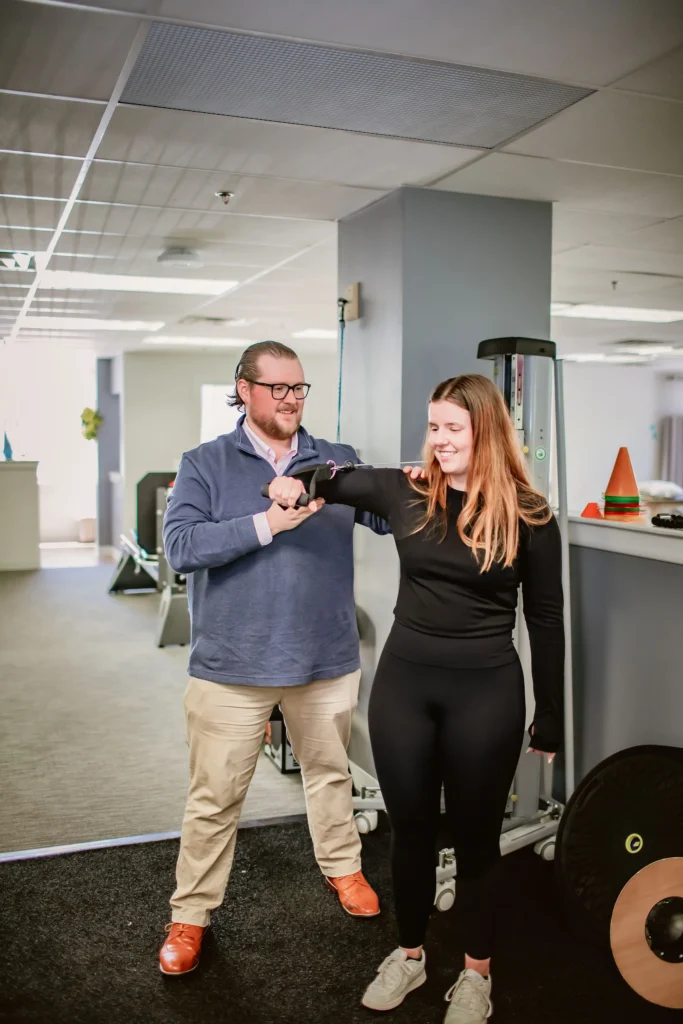
What Causes Shoulder Pain and Injury, Anyway?
Your shoulder is an incredibly complex ball-and-socket joint with several moving parts, including:
- Three separate bones: the humerus (arm bone), scapula (shoulder blade), and clavicle (collarbone)
- Cartilage that wraps and protects these bones from rubbing against each other
- The three main ligaments that connect your shoulder’s bones
- A collection of muscles and tendons known as the rotator cuff that wrap and support the shoulder joint
- Bursae: small fluid-filled sacs that protect your tendons
Damaging any of these structures can lead to shoulder pain, weakness, and immobility. Some people injure their shoulders through sudden, acute injuries, especially if they’re active — a hard fall on the football field could tear their rotator cuff or dislocate the arm bone out of their shoulder socket.
However, many shoulder injuries are actually overuse injuries, meaning the pain and immobility symptoms occur due to repeated micro-injuries in your shoulder’s tissue. Often, sports-related shoulder injuries are actually due to overuse, as repeated overhead motions (such as throwing a ball or certain swimming strokes) put stress on the shoulder joint, leading to symptoms.
Using improper form can also contribute to overuse injuries, such as improper posture — a weak upper back strains your shoulder muscles, making them do more work than needed.
Preventing shoulder pain is really about preventing these overuse injuries. By making small changes, you can keep your shoulders strong, healthy, and pain-free!
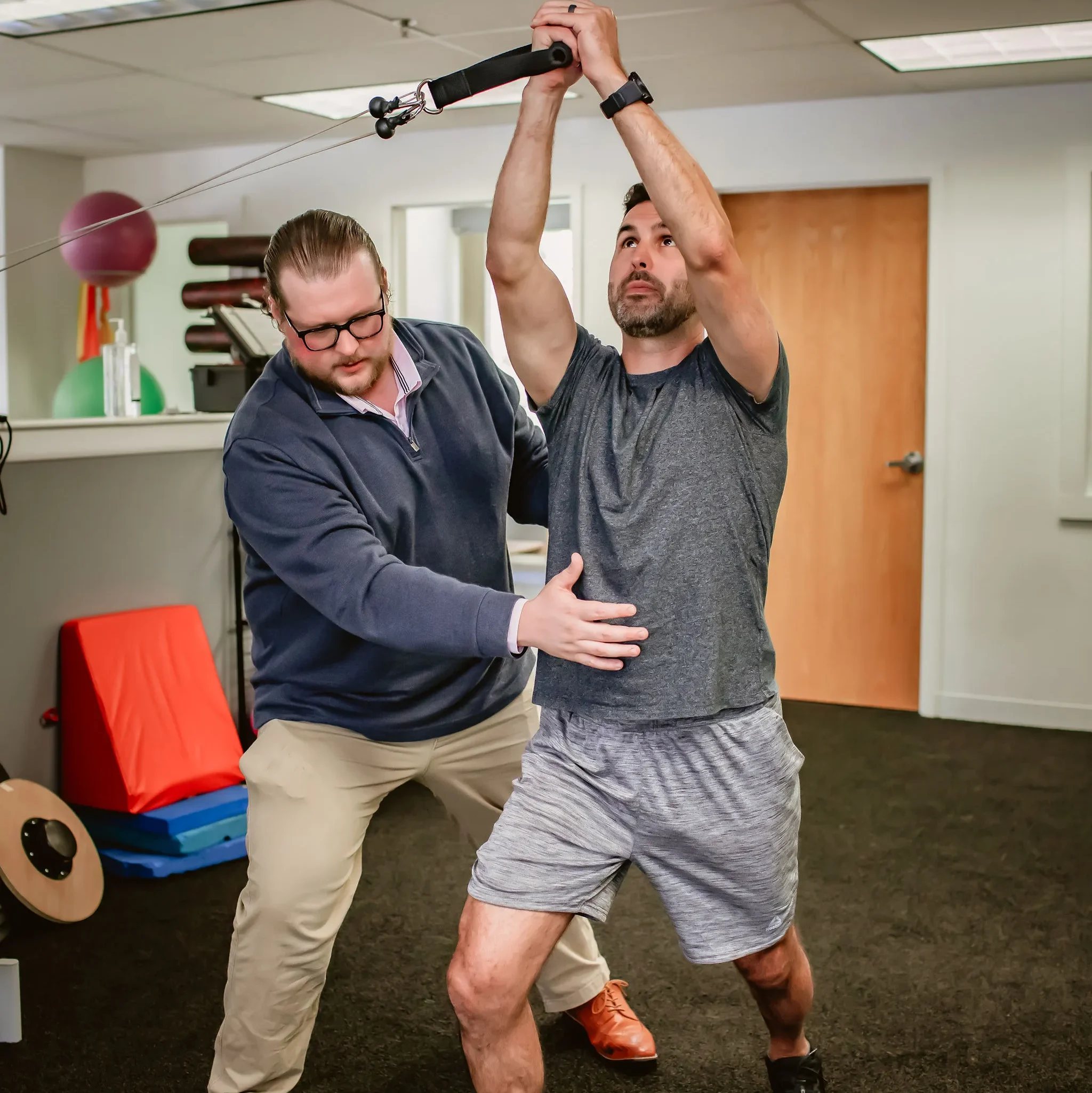
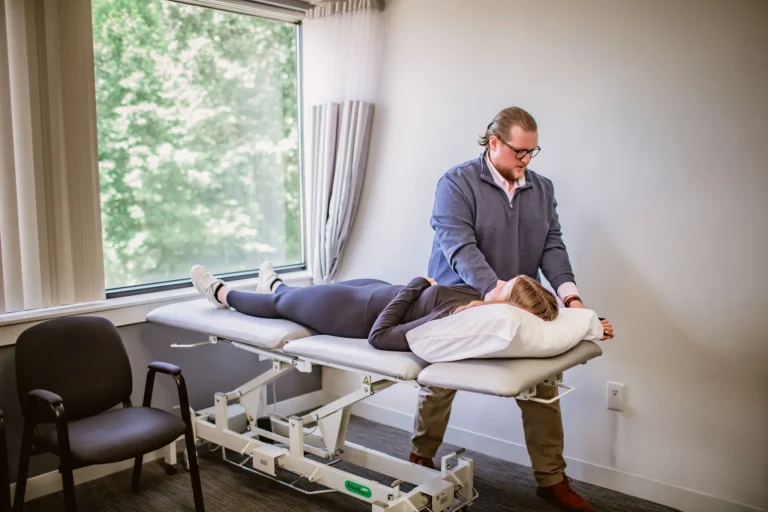
5 Ways You Can Help Prevent Shoulder Pain
- Strengthen your upper body: Strong upper back and shoulder muscles are better able to provide the shoulder joint with the support and stability it needs, meaning you’ll be less likely to suffer an injury. Not sure how to get started? Our PTs can walk you through some appropriate exercises.
- Keep your mobility: We can show you simple range of motion exercises that will get the blood flowing to your joints, keeping them healthy. Reaching overhead, across your body, or behind your back are all basic stretches that can do wonders — just make sure you never force a movement!
- Don’t forget to warm up first: Many popular recreational activities put you at risk for a shoulder injury, including swimming, pickleball, and tennis. It’s crucial that you warm up your shoulder before you dive in. Try some quick cardio paired with active shoulder stretches (like arm circles).
- Maintain proper posture: Proper posture isn’t about standing up straight all the time; it’s about maintaining postural awareness and keeping your spine in alignment no matter what you’re doing. And if you have a sedentary job, move around regularly. Both habits will help keep your upper back and shoulders strong.
- Pay attention to ergonomics: If your workspace isn’t shoulder-friendly, you might wind up with an overuse injury. Simple changes — like adjusting the height of your computer monitor or maintaining good posture when using hand tools — will reduce repetitive stress and lower your chances of developing shoulder pain.
Need A Little Help? We’ve Got You
The Peak physical therapists can help you prevent shoulder injuries as easily as we can treat them! Whether you’re looking for a shoulder stretch and strengthen routine, postural corrections, or some simple ergonomic adjustments, we’re here for you. Contact us today to get started!
Patient Success
“When I’d walk in I was greeted by Cassie and Jen who were always welcoming and very helpful. Kelsey made a great first impression by easing my concerns on my first few visits as well as setting up my online exercise program. Dan saw me one Saturday. His sharp mind and wisdom are a great asset. I didn’t work with Alicia but she was always friendly and kind in passing. I primarily worked with Alexander and Thomas. Thomas’s thoughtful guidance with my exercises was very helpful and much appreciated. Alexander was an Integral Part of my therapy. Alexander’s professionalism and dedication made for a smooth journey back to normal life. I will recommend the Pembroke Peak team to anyone.” – D.P.
How Physical Therapy Can Help You Get Ready for Fall Sports
Before you know it, the cooler season will come, and so will fall sports! Are you wondering how to prepare yourself for your favorite autumn activities? Or have you been struggling with an old injury that just doesn’t seem to be going away? Either way, Peak Physical Therapy can help.
Everyone involved in athletics knows that one thing is for sure: competition comes with a risk of injury. Fortunately, physical therapy can help athletes recover from injuries and prepare them for their upcoming seasons.
How Physical Therapy Helps Athletes Prepare for Fall Sports
Playing the sport you love, whether competitively or just for fun, is an important part of staying healthy and enjoying your life. And making sure your body is strong, stable, and prepped for the game is vital for maintaining high performance.
Conditioning is a significant part of staying healthy when you play sports. Fortunately, we offer customized conditioning programs that can lower your risk of sustaining an injury during the game and improve your performance.
These programs focus on keeping you healthy and strong. They incorporate sports-specific strengthening and training methods to ensure your body can tolerate the demands of your sport while improving your ability to compete at a high level. Techniques like targeted exercises, lifting weights, and proactive recovery practices further help prevent athletes from injuring themselves.
Understanding Sports Injuries (And The Role Of Physical Therapy)
One significant aspect of physical therapy is that it can help you prevent an injury this fall. Injuries are a part of any sports season and are typically placed into two categories: acute or overuse.
Acute injuries are caused by a specific incident, such as:
- Sprains
- Fractures or dislocations
- Concussions
In contrast, overuse injuries are caused by repetitive movements or poor technique. Some examples of overuse injuries include:
- Tennis elbow
- Shin splints
- Jumper’s knee
- Stress fractures
- Tendinitis
More About Common Sports Injuries: Sprains and Strains
Sprains are extremely common in sports. Ligaments connect bones together and help support your joints. When a ligament is stretched beyond its limits, a sprain can occur. Once the ligament is stretched, it becomes looser and more susceptible to being sprained again in the future.
Strains are similar to sprains but occur in muscles and tendons, not ligaments. Tendons connect muscles to bones. Once a tendon or muscle is injured, it needs to be resolved fully, or it can lead to persistent pain and limitations in function.
Injury Prevention with Physical Therapy
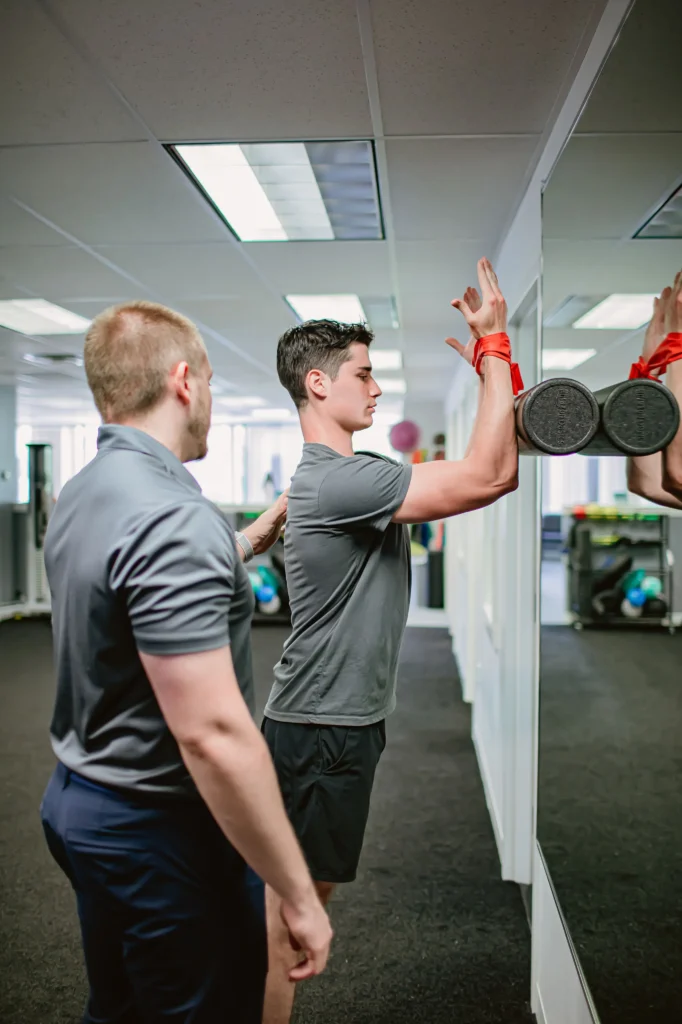
Receiving physical therapy before you begin playing this fall could make all the difference in how ready your body is to be out on the field or court. The process begins with an injury screening to identify any underlying conditions that can lead to future injuries. Once we identify limitations, restrictions, and weaknesses, we’ll provide you with a personalized program to resolve them.
Request an Appointment To Get Started
Schedule an appointment today to learn more about how physical therapy can get you geared up to have your best season yet!
Recipe of the Month: Egg Roll in a Bowl

Ingredients
- 1 lb ground turkey or chicken
- ¼ cup yellow onion, chopped
- 3 cloves garlic, minced
- 2 teaspoons fresh ginger, grated or minced
- 1 12-14 oz package coleslaw mix
- ¼ cup low-sodium soy sauce, tamari or coconut aminos
- 2 teaspoons toasted sesame oil
- 1-2 teaspoons sriracha or sambal oelek
- 2 green onions, sliced
- sriracha, for serving (optional)
- sesame seeds and chopped cilantro, for garnish
- cooked cauliflower rice, for serving (optional)
Instructions
- Heat a large skillet over medium-high heat. Add ground meat and cook until no longer pink, about 5-6 minutes. While cooking, break meat into smaller pieces using a wooden spoon or spatula and season liberally with salt and pepper.
- Add onion, garlic, ginger, coleslaw mix, soy sauce, sesame oil and sriracha to the skillet. Cook for another 5 minutes or so, until cabbage is tender. Taste and add more soy sauce or sriracha, if needed.
- Portion mixture into bowls and top with green onions, sesame seeds and cilantro. Serve with additional soy sauce, sriracha or chili crisp, if desired.
Sources
- https://www.ncbi.nlm.nih.gov/books/NBK554693/
- https://www.physio-pedia.com/Evidence_Based_Interventions_for_Shoulder_Pain
- https://www.ncbi.nlm.nih.gov/pmc/articles/PMC10086287/
- https://delfamdoc.org/wp-content/uploads/2019/11/current-trends-sports-injury-prevention.pdf
- https://link.springer.com/article/10.1007/s40279-019-01232-4
- https://www.eatingbirdfood.com/egg-roll-in-a-bowl/#tasty-recipes-48718