NPTE Exam Breakdown: What's Actually on the Test
~250 questions. 5 content systems. 6 hours. Here's exactly how the NPTE is structured, how each system is weighted, and what to focus on to pass on your first attempt.
How the NPTE Exam Is Structured
The NPTE is a computer-based exam administered by FSBPT. It contains approximately 250 questions — 200 scored and 50 unscored pilot questions. You won’t know which questions are pilot items, so treat every question as if it counts.
The exam is designed around 5 content systems that reflect the full scope of physical therapy practice. Each system tests your ability to apply clinical reasoning — not just recall facts. Questions are scenario-based, presenting patient cases where you must choose the best course of action.
The 5 NPTE Content Systems
NPTE content breakdown — by system, by weight, by what matters most

Question Types
Musculoskeletal: ~24%
Neuromuscular & Nervous System: ~20%
Cardiopulmonary: ~16%
Other Body Systems: ~20%
Non-Systems (Equipment, Safety, Professional Responsibility): ~20%

What NOT to Study
The NPTE does not test billing codes, specific insurance protocols, or state-specific practice acts. Focus exclusively on the FSBPT content outline to avoid wasted study hours on low-yield material.

Time Management
You have approximately 6 hours for ~250 questions — about 1.4 minutes per question. Build speed during practice by timing yourself on blocks of 10–20 questions to simulate real test conditions.

Scenario-Based Clinical Reasoning
All NPTE questions are patient scenarios. You'll be given a clinical presentation and must select the best intervention, diagnosis, or outcome measure. There are no definition questions — every question requires application.
Know the Weight. Study Smarter.
- Evaluation and re-evaluation across all 5 systems
- Intervention selection based on evidence and patient presentation
- Outcome measure selection and progression criteria
- Equipment selection, safety, and patient education
Questions test your ability to think like a DPT — not memorize like a student.
NPTE Content System Deep Dives
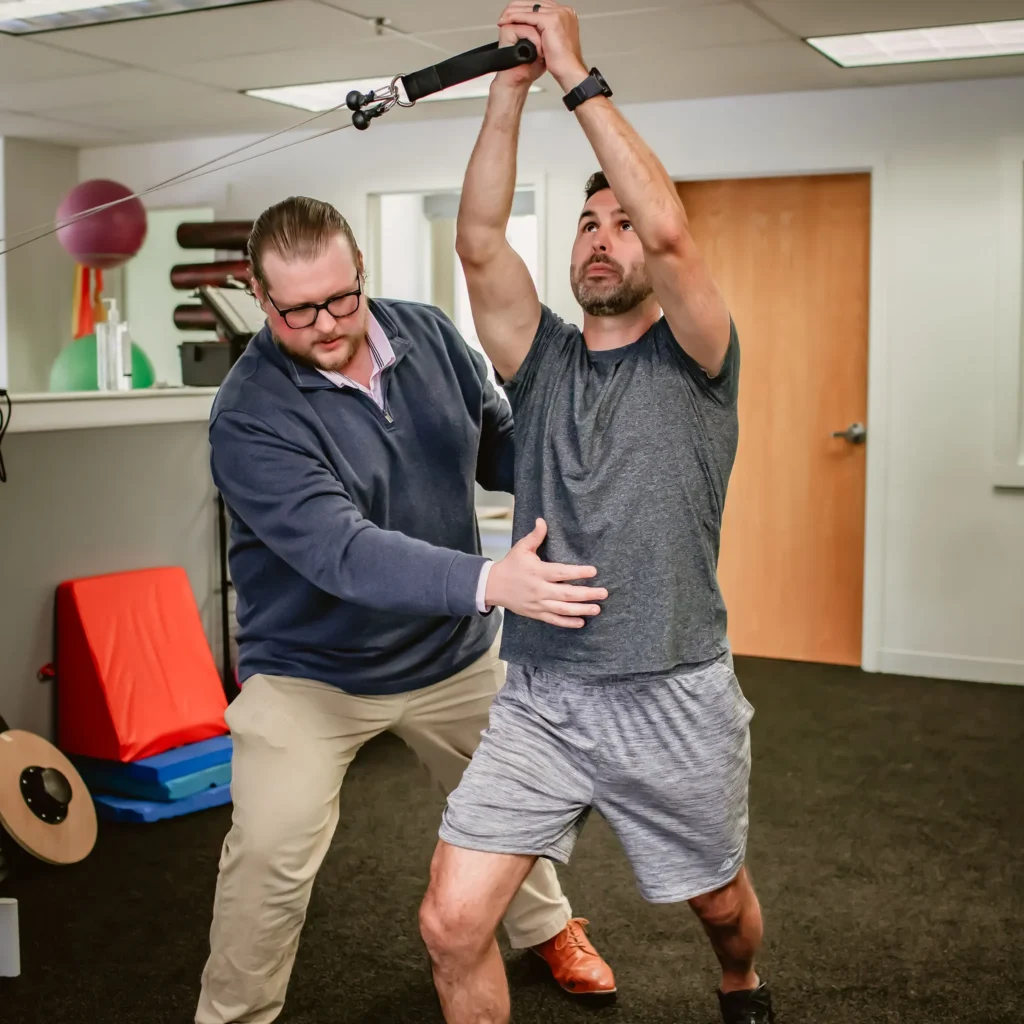
Musculoskeletal (~24% of exam)
The highest-weighted system. Covers evaluation, diagnosis, and intervention for bones, joints, muscles, and connective tissue. Expect questions on orthopedic conditions, manual therapy, post-surgical rehab, and exercise prescription.

Neuromuscular & Nervous System (~20%)
Tests your knowledge of neurological conditions including stroke, TBI, SCI, Parkinson's disease, MS, and peripheral neuropathies. Focuses heavily on functional mobility, gait analysis, and neuro-rehab interventions.

Cardiopulmonary (~16%)
Covers cardiovascular and pulmonary conditions, lab values, vital sign interpretation, aerobic exercise prescription, and ICU-level interventions. Cardio is frequently underestimated — don't let it cost you.
Other Body Systems & Non-Systems (~40% Combined)
Other Body Systems (~20%) includes integumentary, metabolic/endocrine, GI/GU, and multi-system conditions. These often appear as comorbidities alongside primary diagnoses.
Non-Systems (~20%) covers equipment selection, patient safety, professional standards, evidence-based practice, and clinical administration. These questions are often overlooked but represent a significant portion of the exam.
- Integumentary: wound care, skin conditions, burns
- Metabolic/Endocrine: diabetes management, osteoporosis
- GI/GU: incontinence, pelvic floor conditions
- Multi-system: oncology, connective tissue disorders
How Questions Are Scored
- 200 scored questions + 50 unscored pilot questions
- Pass score: 600 (scaled, not a percentage)
- Score scale: 200–800
- Results released to your state board within 2–4 weeks
- Diagnostic report available if you don't pass
The NPTE uses item response theory (IRT) — not a simple percentage. The computer adapts slightly based on your response patterns. A scaled score of 600 or higher is required to pass, which generally corresponds to answering about 60–65% of scored questions correctly.
Start Your NPTE Prep With Peak
Peak’s free NPTE resources are written by board-certified DPTs who have passed the exam — and treat patients in every content system, every day. Get the study guide, practice questions, and content breakdowns built around how the exam actually works.