
You might be reading this after a run where leaking caught you off guard, after a beach day when pelvic pressure felt worse than it should, or after another week of telling yourself this is probably just part of having a baby, getting older, or being busy. A lot of people across the South Shore live with symptoms like bladder urgency, heaviness, constipation, pelvic pain, or pain with intimacy much longer than they need to.
The important thing to know is that you're not dealing with something rare or shameful. Pelvic floor dysfunction affects up to 25% of women in the U.S., which is one reason pelvic health programs have expanded across Massachusetts and become much easier to access through established rehab networks, as noted in Peak's South Shore pelvic floor overview. If bowel symptoms, bloating, or digestive changes seem tied into pelvic symptoms, Bummed's guide to the gut-vagina connection is also a helpful plain-English resource.
Table of Contents
- Your Guide to Pelvic Health on the South Shore
- What Pelvic Floor Physical Therapy Actually Is
- Conditions We Treat With Pelvic Floor PT
- What to Expect at Your First Appointment
- Your Personalized Path to Recovery
- Find Expert Pelvic Floor Therapy Near You on the South Shore
- Frequently Asked Questions About Pelvic Health PT
Your Guide to Pelvic Health on the South Shore
You cough while loading groceries into the car in Hingham and feel a leak. You head out for a walk in Quincy and notice pelvic pressure by the second mile. You try to ignore pain with intimacy, or the sudden need to find a bathroom, because it feels awkward to bring up. I hear versions of this every week, and the first relief many patients feel is simple. They are not the only one.
People across the South Shore put off pelvic health care for understandable reasons. The symptoms are personal, the internet is full of half-answers, and many adults still assume pelvic floor PT is only for women after childbirth. It is not. Men, teens, athletes, people in perimenopause, postpartum patients, and adults recovering from surgery can all benefit from pelvic health treatment.
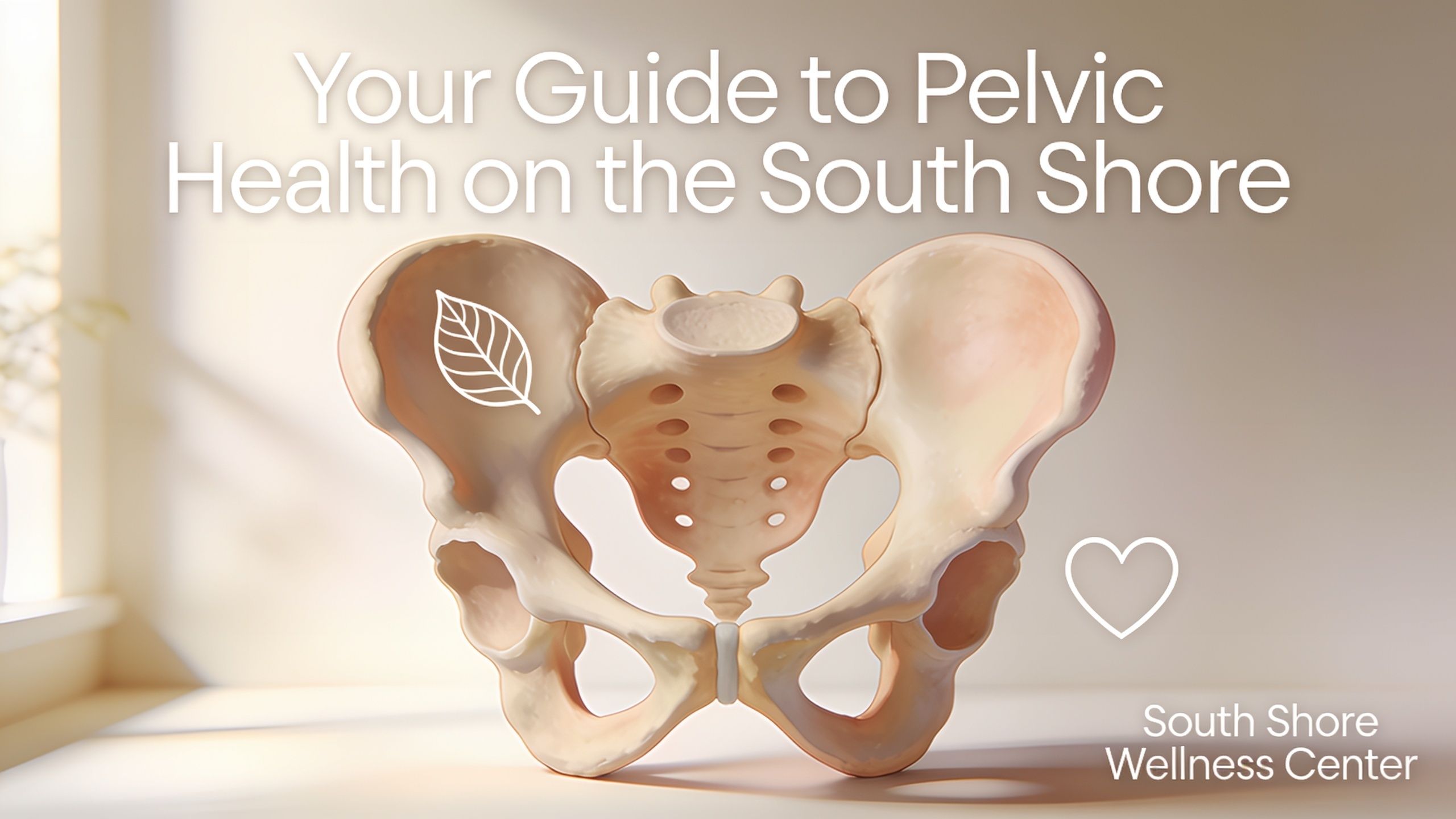
Good care is available close to home across the region, which matters when symptoms affect daily routines and follow-up visits need to fit real life. For those in need of pelvic floor physical therapy South Shore MA, help does not require guessing, pushing through embarrassment, or driving into Boston for every appointment.
A lot of patients also wonder about topics they feel uncomfortable asking out loud. Can constipation affect vaginal symptoms? Can bowel issues contribute to irritation, pressure, or discomfort that seems gynecologic at first? Yes, sometimes they can, which is one reason pelvic health care looks at the whole system. Bummed's guide to the gut-vagina connection offers a helpful patient-friendly explanation of that overlap.
Pelvic floor symptoms are common, treatable, and worth addressing early. Waiting usually adds frustration and can make habits, tension, and fear harder to change.
The goal is practical. Get through a workday without urgency. Return to exercise without leaking. Sit more comfortably. Have less pain, less worry, and a clearer plan. Good pelvic health PT starts by making the process understandable, respectful, and manageable from the first conversation.
What Pelvic Floor Physical Therapy Actually Is
Many people arrive assuming pelvic floor PT means a quick set of Kegels, or they worry the visit will be awkward from the moment they walk in. In practice, it is a focused area of physical therapy that looks at symptoms many patients have been working around for months or years. That includes bladder and bowel problems, pelvic pain, pressure, sexual pain, postpartum concerns, and abdominal or pelvic recovery after surgery.
The pelvic floor is a group of muscles and connective tissues at the bottom of the pelvis. These muscles support the pelvic organs, help with bladder and bowel control, contribute to sexual function, and coordinate with the diaphragm, abdominal wall, and hips during movement and lifting.
That coordination matters more than people expect.
A pelvic floor can be weak, but weakness is only one pattern. In the clinic, I also see muscles that stay braced all day, struggle to relax for a bowel movement, react too late during impact, or lose coordination with breathing and core pressure. Two people can both say, "I leak when I run," and need very different treatment plans.
Why this is different from general PT
General orthopedic PT can help with back, hip, and posture issues that influence pelvic symptoms. Pelvic health PT goes further by assessing how those pieces interact with bowel and bladder habits, scar mobility, pressure management, pain sensitivity, and pelvic muscle function.
That is why generic exercise sheets often miss the mark. The plan has to fit the pattern causing the symptom.
A consent-first evaluation may include education, breathing assessment, movement testing, and discussion of bladder, bowel, pain, pregnancy, postpartum, or surgical history. Internal assessment is one tool, not a requirement for every visit, and it is done only with your permission. Many patients are relieved to hear that, especially if they have delayed care because they were unsure what the exam would involve.
It is not just about Kegels
Kegels have a place, but they are not a universal starting point. If the pelvic floor is already tense, painful, or poorly coordinated, more squeezing can make urgency, pressure, constipation, or pain worse. Treatment may start with relaxation, breathing, bowel mechanics, hip and trunk work, scar care, or retraining how the body manages pressure during daily activity.
Strength still matters. So do timing, endurance, and control during real tasks like coughing, lifting, running, or getting through a long workday without urgency. For readers who want a more technical look at how clinicians assess force production, this guide for professionals on muscle strength gives helpful background.
Pelvic health PT is also broader than many people assume. It helps postpartum patients, but it is not limited to them. We also treat men, active adults, older adults, and people recovering from surgery or dealing with long-standing bowel and bladder symptoms. For related local support during pregnancy and after delivery, Peak offers pregnancy and postpartum physical therapy care.
Conditions We Treat With Pelvic Floor PT
A Marshfield runner who leaks during sprints, a dad recovering after prostate treatment, a new mother with heaviness, and an older adult who maps every bathroom on the South Shore may all need pelvic floor physical therapy. The symptoms look different. The common thread is that the pelvic floor, abdominal wall, breathing system, hips, and nervous system are not working together as well as they could.
That is why pelvic health care reaches far beyond postpartum recovery.
In clinic, I often meet people who have spent months assuming their problem is either too minor to mention or too personal to bring up. Leakage with exercise, pain with intimacy, constipation, tailbone pain, pressure, urgency, and pain after surgery are all common reasons to seek care. They are also treatable. Good treatment starts by identifying the pattern behind the symptom instead of guessing that every pelvic issue comes from weakness.
Who benefits from pelvic floor PT
Pelvic floor PT can help:
- Pregnancy and postpartum patients: Pressure, leaking, low back or pelvic pain, abdominal wall issues, pain with return to exercise, and recovery after vaginal or cesarean delivery. Peak offers local pregnancy and postpartum physical therapy care for patients who want support during this stage.
- Men with pelvic symptoms: Urinary leakage, urgency, pelvic pain, bowel problems, and changes after prostate treatment or other pelvic procedures.
- Active adults and athletes: Leakage during running, jumping, lifting, or court and field sports, along with pressure, pain, or poor force transfer during training.
- Older adults: Frequency, urgency, constipation, heaviness, and gradual changes in control that affect daily routines and confidence.
- People with persistent pain: Pelvic pain, pain with sex, tailbone pain, scar sensitivity, and muscle guarding that keeps the area irritated.
- People recovering from surgery: Pelvic or abdominal surgery can change tissue mobility, coordination, comfort, and confidence with movement.
- Transgender and nonbinary patients: Pelvic PT can support recovery after gender-affirming surgery and help address bowel, bladder, pain, and mobility concerns with respectful, individualized care.
Some patients also come in after hearing from a friend that pelvic PT is "just Kegels" or "just for postpartum women." That misunderstanding keeps people stuck.
Common conditions we address
| Symptom / Condition | Who It Affects | How PT Helps |
|---|---|---|
| Urinary leakage | Postpartum patients, runners, lifters, older adults, men | Improves coordination, pressure management, and muscle control during daily activity and exercise |
| Urinary urgency or frequency | Adults across life stages | Works on bladder habits, pelvic floor tension, and strategies to calm irritated patterns |
| Pelvic pressure or prolapse symptoms | Postpartum patients, older adults | Builds support strategies, breathing control, and movement changes that reduce strain |
| Pelvic pain | Women and men | Identifies contributors such as overactive muscles, guarding, mobility limits, and activity intolerance |
| Pain with intimacy | Adults across life stages | Focuses on relaxation, tissue mobility, desensitization, and gradual return to comfortable intimacy |
| Constipation or straining | Children and adults | Addresses coordination, toileting mechanics, abdominal pressure, and pelvic floor relaxation |
| Tailbone pain | People after falls, childbirth, prolonged sitting, or unexplained pain | Uses movement assessment, hands-on treatment, and pressure management strategies |
| Post-surgical pelvic dysfunction | People after pelvic or abdominal procedures | Restores mobility, coordination, and safer return to exercise, work, and daily tasks |
| Gender-affirming surgery recovery | Transgender and nonbinary patients | Supports healing, mobility, comfort, and functional recovery |
One practical trade-off matters here. Two people can share the same diagnosis and need very different treatment plans. A runner with leakage may need impact-specific pressure control and hip strength work. A person with constipation may need pelvic floor relaxation, bowel habit changes, and better coordination instead of more strengthening.
If you have symptoms with laughing, coughing, lifting, exercise, bowel movements, intimacy, or long days on your feet, pelvic PT is worth discussing even if no one has brought it up before. For a plain-language overview of how care is usually introduced, Lake City Physical Therapy's patient guide offers a helpful outside example.
What to Expect at Your First Appointment
You finally book the visit after months, or years, of telling yourself the leaking, pressure, pain, or urgency is probably something you should just live with. Then a new worry shows up. What exactly happens once you walk into the room?
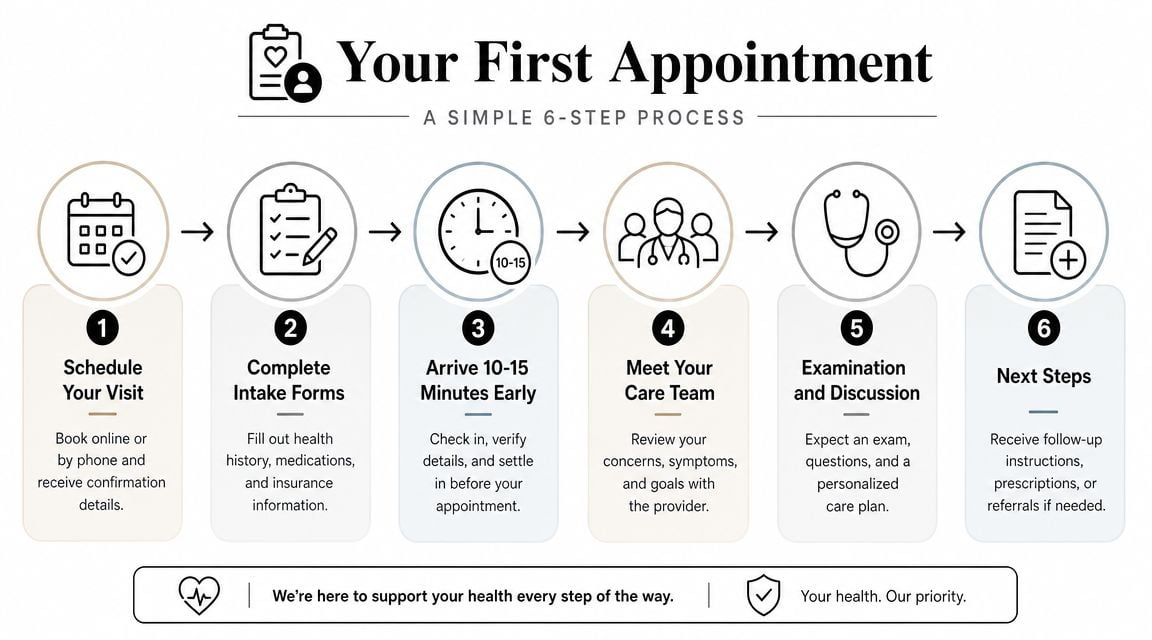
That question is common, and it deserves a clear answer. Many people delay pelvic floor PT because they are unsure whether the visit will feel awkward, painful, or too personal. A good first appointment should lower that uncertainty. It should help you understand your symptoms, what may be contributing to them, and what options you have for treatment here on the South Shore.
The first part is conversation
The visit usually starts with a thorough discussion. You will talk about your symptoms, medical history, surgeries, medications, pregnancies if relevant, exercise habits, and daily activities that bring on pain, pressure, leaking, or urgency. We also talk about bowel and bladder patterns, because those details often explain more than people expect.
This part matters.
A person with pain during intimacy may need a very different plan than someone with leakage during runs, even if both were told to “do Kegels” before they got to pelvic PT. Clear answers come from hearing the full story first.
For a plain-language outside example, Lake City Physical Therapy's patient guide walks through how this process is often introduced. If you want a local version with more detail, Peak also has a pelvic floor therapy first visit overview.
The exam is based on consent
After the history, the therapist usually checks the body systems that affect pelvic function. That can include breathing pattern, abdominal control, posture, back and hip movement, scar mobility, balance, squat mechanics, and how you manage pressure with everyday movement.
An internal pelvic floor muscle assessment is sometimes recommended, but it is never automatic. It is one clinical option, used when it would add useful information and only with your permission. In pelvic health practice, that exam can help distinguish between muscles that are weak, muscles that are tight and overactive, and muscles that are not coordinating well.
A few points help patients feel more prepared:
- You choose what happens. You can ask questions, decline any part of the exam, or stop at any time.
- Consent continues throughout the visit. Agreement at the start does not mean you cannot change your mind.
- Day one does not have to include an internal exam. Many evaluations begin with history, external assessment, and education.
- External findings still tell us a lot. Breathing, posture, tenderness, scar tissue, pressure control, and movement patterns often point to the main problem.
Good pelvic health care feels respectful and collaborative. You should never feel rushed into an exam you do not want.
You leave with a plan
The visit should end with more clarity than you had when you arrived. You should understand the likely drivers of your symptoms, what the first phase of treatment will focus on, and what you can start doing at home before the next session.
Sometimes the first step is calming pain and muscle guarding. Sometimes it is improving bowel or bladder habits. Sometimes it is building coordination and strength so you can get back to lifting, running, or making it through a workday without pressure and fatigue.
The plan should fit your body and your goals. That is the standard patients deserve.
Your Personalized Path to Recovery
Treatment works best when it matches the problem in front of you. Pelvic floor rehab is not one standard protocol and it is not a handout with generic squeezes. It's a plan built around your symptoms, your body, and what you need to get back to.

What usually helps
If the muscles are tight, guarded, or painful, treatment may start with downtraining. That can include relaxation work, diaphragmatic breathing, manual therapy, and strategies to reduce straining. If the issue is poor timing or low support under load, the plan may shift toward strengthening, coordination drills, and return-to-impact progressions.
Many patients also need practical habit changes, not just exercises. That might include:
- Bladder retraining: Reducing “just in case” bathroom trips and building healthier timing.
- Bowel strategies: Improving positioning, breathing, and relaxation so bowel movements require less pushing.
- Pressure management: Learning how to exhale, brace, lift, and move without bearing down.
- Activity scaling: Modifying workouts or daily tasks without stopping life completely.
One option for local care is Peak Physical Therapy and Sports Performance, which offers pelvic health services within its South Shore network. The main point is that treatment should be individualized and tied to real goals, whether that's carrying a toddler, getting through a commute comfortably, or returning to recreational exercise.
What usually does not help
A few patterns tend to stall recovery:
- Doing more Kegels without an exam: This can backfire if the muscles are already overactive.
- Ignoring bowel and bladder habits: The home plan matters as much as the clinic session.
- Stopping all activity for too long: Rest can help during a flare, but total avoidance often reduces confidence and conditioning.
- Expecting one visit to fix a long-running issue: Pelvic symptoms usually improve through repetition, consistency, and gradual progression.
The best plan is the one that solves your actual daily problem, not the one that looks the most intense on paper.
People often feel relieved once the plan becomes practical. The work starts to make sense. Instead of chasing symptoms, you're building capacity for the specific moments that matter in your life.
Find Expert Pelvic Floor Therapy Near You on the South Shore
A lot of people wait months before booking. They tell themselves the leaking is manageable, the pain will settle down, or the pressure is just part of getting older, training hard, or recovering after birth. Then real life keeps getting in the way. Work, school pickup, the drive, the discomfort of explaining something personal to a stranger.
Local access changes that.
For South Shore residents looking for pelvic floor physical therapy South Shore MA, a nearby clinic often makes the difference between putting this off and getting started. Pelvic health care works best when visits are practical enough to fit into normal life and private enough that you feel comfortable asking the questions you have been holding back.
Peak's South Shore locations include:
- Braintree
- Quincy
- Weymouth
- Hanover
- Pembroke
- Scituate
- Norwell
If you want a pelvic-health-specific starting point, the Pelvic Health Center in Braintree gives South Shore patients a local option focused on these concerns.
Distance is only one part of the decision. The clinic also needs to feel manageable once you are there. Pelvic health patients often do better when booking is straightforward, the front desk can answer basic insurance questions, and the therapist explains the process clearly before any exam begins.
That matters because embarrassment is common. So is uncertainty. Patients regularly ask whether they have to be postpartum, whether an internal exam is automatic, whether treatment will hurt, or whether their symptoms are too minor to bring up. A good local clinic makes room for those conversations and handles them respectfully.
Helpful signs include:
- Clear scheduling options by phone or online
- Insurance guidance before the first visit when available
- Simple visit instructions about clothing, forms, and what to expect
- Private, one-on-one care with time for questions
- Coordination with your physician or other providers if that would help your case
I have found that once someone gets through the door, the fear usually drops fast. The problem has a name, the plan becomes specific, and treatment starts to feel a lot less intimidating than the weeks or months of wondering.
Frequently Asked Questions About Pelvic Health PT
A common South Shore scenario goes like this. Someone has been dealing with leaking, pelvic pain, pressure, constipation, or pain with sex for months, maybe longer, and keeps putting off the call because they are not sure what will happen at the first visit. That hesitation makes sense. Clear answers usually make the next step feel much more manageable.
Do I need a doctor's referral
Sometimes. It depends on your insurance plan and, in some cases, your diagnosis or recent surgery. If you are unsure, call before booking. A good front desk team can usually tell you what to check and whether a referral is needed.
Does pelvic floor therapy hurt
Treatment should feel respectful and tolerable. If an area is irritated or the muscles are very guarded, some techniques can feel tender, but the work should be adjusted to your body's response. Patients should always know they can pause, ask questions, or say no to any part of treatment.
How many sessions will I need
There is no set number. Recovery depends on what is driving the symptoms, how long the problem has been going on, and how consistently the home plan fits into real life.
Some people feel a clear shift in the first few visits. Others need more time, especially if symptoms involve pain, bowel or bladder habits, scar tissue, surgery, or years of compensation. The goal is not to keep you in therapy forever. The goal is to get steady progress and a plan you can realistically use.
Is an internal exam required
No. An internal exam can give useful information in some cases, but it is never automatic and never done without your consent. The therapist should explain why it may help, what it involves, and what other options exist. If you are not ready, treatment can still begin with history, breathing, posture, movement, external assessment, and symptom education.
That question comes up often, especially from patients who have been avoiding care because they assume the exam is mandatory.
Is this covered by insurance
Many insurance plans include physical therapy benefits, but coverage details vary. Copays, deductibles, visit limits, and referral rules can all affect cost. Ask for benefit verification before the first appointment so there are fewer surprises.
Is pelvic floor PT only for women after childbirth
No. Postpartum care is only one part of pelvic health.
Pelvic floor PT can help women, men, and people across many life stages. I see patients dealing with urinary urgency, leaking during exercise, pelvic pressure, constipation, tailbone pain, painful intercourse, pain after surgery, and return-to-sport issues. Older adults, runners, weight lifters, and patients who have never been pregnant often benefit just as much as new mothers.
If pelvic symptoms are changing how you move, exercise, work, or feel in your own body, it is reasonable to get answers. Peak Physical Therapy and Sports Performance offers local South Shore care and an easy next step to schedule an evaluation.