You feel it in the middle of an ordinary East Bridgewater day. A shoulder starts talking back when you lift groceries out of the trunk. Your knee swells after a weekend game. Your low back tightens up halfway through the drive on Route 24, and by the time you get home, even the stairs take more thought than they should.
That is usually when people start looking for physical therapy in East Bridgewater, MA. Some have tried to wait it out. Others are coming off surgery, dealing with balance changes, or realizing an old injury is now limiting work, exercise, or sleep.
Local care makes a real difference. People here want straight answers, a plan that fits their schedule, and a therapist who understands the goals behind the pain. For one person, that means getting back for the next youth sports season. For another, it means walking more confidently, keeping up with grandkids, or moving around the house without that constant second-guessing.
At Peak Physical Therapy and Sports Performance in East Bridgewater, treatment starts with that local perspective. We know the pace of life on the South Shore, the demands of active families, and the trade-offs people make between work, recovery, and staying involved in the activities they care about. The goal is not to hand you a generic exercise sheet. The goal is to figure out what is slowing you down and build a plan that helps you move better in real life.
Table of Contents
- Your Local Path to Recovery in East Bridgewater
- Conditions We Treat and Services We Offer
- Our Hands-On Personalized Care Philosophy
- Meet Your East Bridgewater Physical Therapists
- What to Expect on Your Recovery Journey
- Insurance Scheduling and Clinic Information
- Frequently Asked Questions in East Bridgewater
Your Local Path to Recovery in East Bridgewater
A lot of recovery stories in East Bridgewater start the same way. A teenager rolls an ankle during practice and tries to push through it for another week. A parent spends the day at a desk, then sits through Route 18 traffic and notices the neck pain is no longer “just tightness.” An older adult feels less steady on the lawn, on stairs, or walking across uneven ground and starts changing routines without meaning to.
That is usually the point where physical therapy helps most. People want a clear answer about what is going on, what movement is safe, and what they can do right now to start improving.
Care here has to fit local life. East Bridgewater is full of student-athletes, working adults, commuters, active retirees, and people who want to keep up with their family without pain setting the schedule. That changes how treatment should look. A runner, a warehouse employee, and someone recovering from surgery may all have knee pain, but the right plan for each person is different because the demands on that knee are different.
At a local clinic, that difference matters. Therapists who work in this community see the same patterns again and again. We treat the shoulder that flares up after youth baseball season, the back that stiffens after long drives, the dizziness that makes grocery shopping stressful, and the balance loss that starts small but affects confidence quickly. You can explore the full range of physical therapy conditions we treat if you want a broader picture, but the day-to-day goal is simple. Help people get back to the parts of life they miss.
Recovery should feel practical
A good plan has to work on a real Tuesday, not just on paper.
Sometimes the first priority is getting pain down enough to sleep through the night. Sometimes it is restoring motion after surgery so walking feels normal again. Sometimes it is correcting the movement pattern that your body adopted to protect one area, only to overload another.
If the plan does not match your schedule, your current tolerance, and the activities you need to return to, it usually falls apart. That is why personalized care tends to hold up better than generic exercise sheets. East Bridgewater patients do better when treatment matches their job, their sport, their home setup, and their actual week.
What tends to help
Recovery usually goes better with a careful exam, a direct explanation, and steady progression over time. The slower truth is that healing is rarely perfectly linear. There are good weeks, sore days, and moments where a small setback makes people think they are back at square one. Usually they are not.
What causes trouble is chasing symptoms without addressing the reason those symptoms keep returning. Strength matters. Mobility matters. Balance matters. Daily habits matter too.
Early treatment often makes the process shorter and less frustrating. You do not have to wait until pain is severe or constant before getting help. A problem that seems manageable now can become much harder to fix once compensation, weakness, or fear of movement starts to build.
Conditions We Treat and Services We Offer
A parent might bring in a middle school pitcher with shoulder pain after a weekend tournament. A carpenter may come by because his back tightens up halfway through the workday. A retired neighbor may say the room spins when she turns too quickly in the kitchen. Those are the problems we treat every week in East Bridgewater, and they rarely show up as neat textbook cases.
People usually start with one simple question. Can you help me get back to my normal routine without making this worse? That question matters more than the diagnosis label by itself.
Care for the problems people actually live with
Our clinic treats a wide range of orthopedic, neurologic, and functional concerns. That includes neck and back pain, shoulder and elbow problems, hip and knee pain, foot and ankle injuries, post-surgical rehab, chronic pain, dizziness, balance problems, concussion support, work injuries, and TMJ-related symptoms.
In a town like East Bridgewater, those issues often connect to daily life in specific ways. We see youth athletes trying to return to practice safely, commuters whose pain builds after long drives, and active older adults on the South Shore who want to keep walking, golfing, gardening, and keeping up with grandkids without feeling unsteady or limited.
The easiest way to look at our services is by the problem you want to solve:
| East Bridgewater PT Services at a Glance | |
|---|---|
| If You're Experiencing… | Our Local Treatment Solutions Include… |
| Pain with sports or exercise | Movement assessment, strength progressions, return-to-sport planning |
| Stiffness after surgery | Guided mobility work, gradual loading, gait practice, home exercise coaching |
| Ongoing back or neck pain | Hands-on treatment, mobility work, strength training, posture and activity modification |
| Dizziness or unsteadiness | Balance training, vestibular-focused care, confidence-building movement practice |
| Joint pain with stairs, walking, or daily tasks | Targeted strengthening, flexibility work, gait and mechanics training |
| Trouble getting back to normal activity | Step-by-step progression based on what you need to do at home, work, or recreation |
Some problems respond fairly quickly. Others take more time because the irritation has been present for months, surgery changed how a joint moves, or weakness and compensation have built up in the background. Good physical therapy accounts for those differences instead of forcing every patient into the same routine.
For a broader look at the diagnoses and injuries we see, Peak's conditions page gives a helpful overview.
Specialized options when basic exercise is not enough
Standard strengthening and stretching are useful, but they are not always enough early on. Some patients do better with dry needling, aquatic therapy, sports rehab, vestibular treatment, or progressive gait training because pain, fear of movement, or limited weight-bearing is holding them back.
Supported walking practice is one example. If full body weight is too much after surgery, after a neurological event, or after a long stretch of reduced activity, walking with the right amount of support can let a person work on stride, balance, and endurance sooner and more safely. The equipment matters less than the purpose. It gives the patient a way to practice the movement without overloading healing tissue or creating poor habits.
The same goes for aquatic therapy. Water reduces joint loading and often makes early movement feel more manageable. That does not make it the right choice for everyone. It can, however, be a practical bridge for someone whose pain is too high for comfortable land-based exercise at the start.
Our job is to choose the service that fits the problem in front of us, the person dealing with it, and the life they need to get back to here in East Bridgewater.
Our Hands-On Personalized Care Philosophy
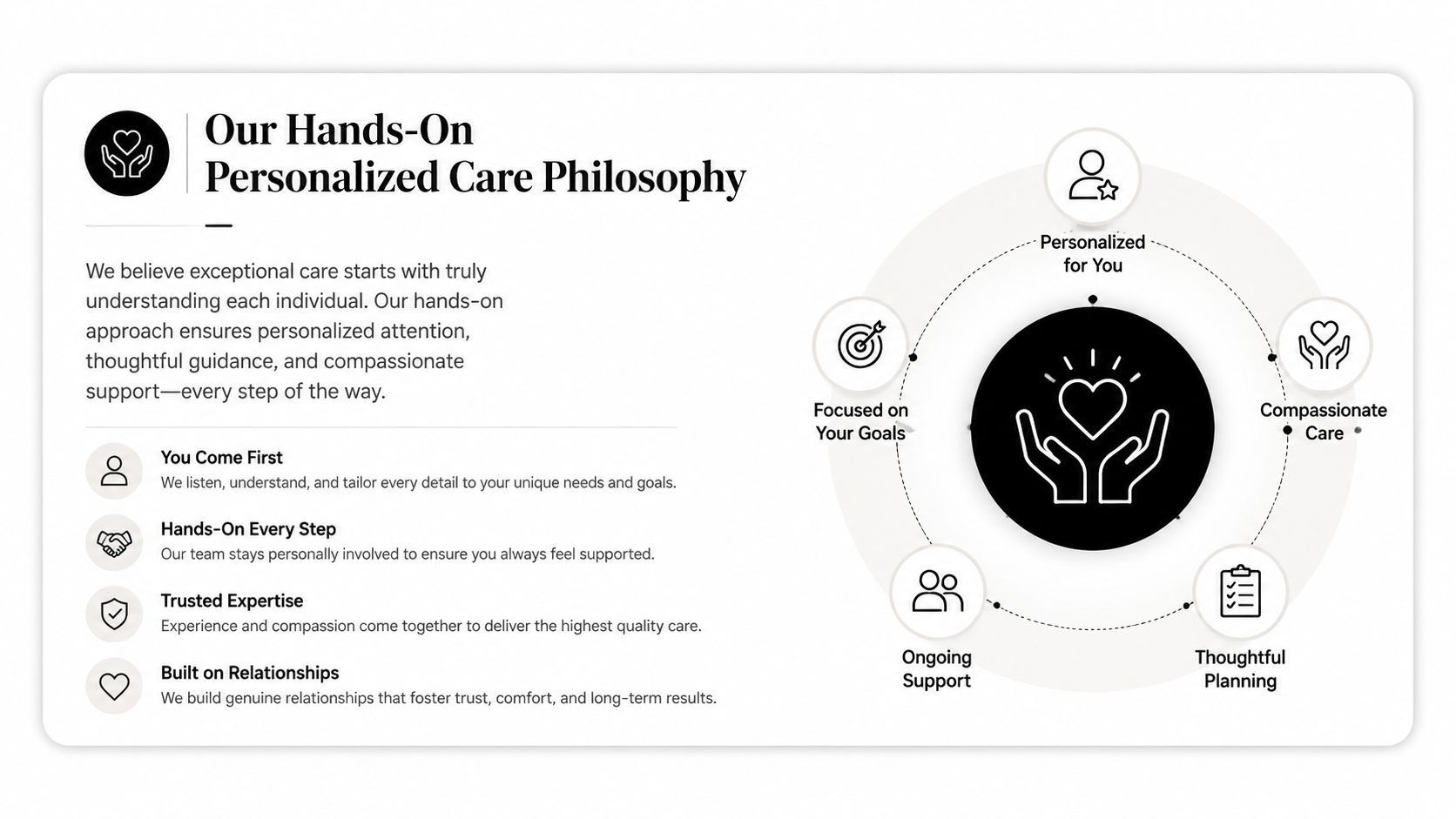
People can tell pretty quickly whether a clinic is built around the patient or around the schedule. That difference shows up in the questions you're asked, the attention you get, and whether the plan makes sense for your actual life.
What hands-on care really means
Hands-on care doesn't mean every visit is passive treatment. It means your therapist is engaged, observing, adjusting, and making decisions in real time. Sometimes that includes manual therapy to improve mobility or reduce guarding. Sometimes it means coaching you through a squat, step-up, reach, or balance task until the movement finally clicks.
The common thread is attention. You shouldn't feel like you're being parked on equipment and left alone for most of the visit. Rehab works better when the therapist can see what you're doing, correct what needs correcting, and progress the plan when your body is ready.
A helpful approach is to consider:
- Pain relief matters first: If pain is too high, people guard, compensate, and stop moving normally.
- Movement quality comes next: Once symptoms settle enough, the body has to relearn efficient patterns.
- Strength and confidence seal the result: If you skip this stage, old symptoms often creep back in when life gets busy again.
Why one plan doesn't work for everyone
The treatment plan for a runner with knee pain shouldn't look like the plan for someone recovering from joint surgery. A teen athlete returning to competition needs a different progression than an older adult who wants steadier walking and less fear of falling. Even two people with “back pain” may need completely different approaches depending on irritability, strength, workload, sleep, and movement habits.
That's why good PT includes trade-offs. Push too hard and you flare things up. Stay too gentle for too long and progress stalls. The sweet spot is enough challenge to create change without provoking a setback that derails the week.
What patients usually need to hear: Soreness during rehab isn't always failure, and a quiet day of symptoms isn't always full recovery. Context matters.
This is also where values show up in care. Clear communication, honest feedback, and steady progression build trust. People do better when they understand why they're doing something, not just what to do.
Meet Your East Bridgewater Physical Therapists
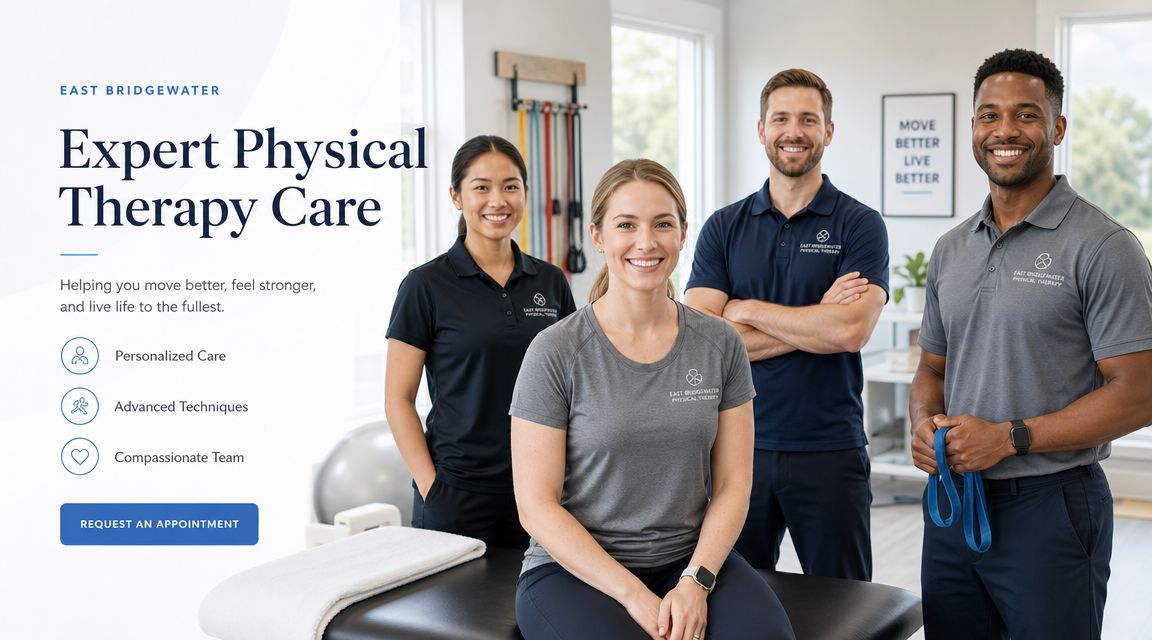
You feel that familiar ache halfway through carrying groceries in from the car, or your child tweaks an ankle at practice and needs someone local who can give a clear answer. In a town like East Bridgewater, people usually want more than a clinic address. They want a therapist who understands how life here looks, from youth sports schedules to long workdays, yardwork, and staying active as the years go on.
Local experience you can feel
That local connection changes care in practical ways. A therapist who works with East Bridgewater families every week tends to understand the rhythm of the South Shore, the wear and tear that shows up during sports seasons, and the goals active older adults care about most. For some people, success means getting back to baseball, soccer, or weekend road races. For others, it means walking downtown, climbing stairs more comfortably, or keeping up with grandkids without feeling unsteady.
Experience matters here too. It is common to find local providers with deep outpatient backgrounds, including clinicians with decades of experience. That does not guarantee a good fit on its own, but it often helps when recovery takes a turn, symptoms do not follow a neat timeline, or a treatment plan needs to be adjusted instead of pushed blindly.
If you want to learn more about the clinicians behind care, you can meet the Peak therapy team and read about their backgrounds.
The kind of therapist patients remember
Patients tend to remember therapists who make the visit feel personal, not rushed. Good care sounds simple, but it takes skill. A therapist has to listen closely, spot the movement problem behind the pain, and explain the plan in plain English.
The therapists people trust in East Bridgewater usually do a few things well:
- They explain the why: You know what the problem appears to be, what the plan is, and what signs show that you are improving.
- They pay attention to real-life goals: Returning to a varsity season, getting through a warehouse shift, sleeping better with back pain, or feeling steadier on uneven ground all require different priorities.
- They respect trade-offs: Some cases need a slower build to avoid flare-ups. Others need a firmer push so strength and endurance improve.
- They stay observant: Small details matter, like guarding on one side, losing balance during a turn, or fatiguing earlier than expected.
That last point is easy to miss until you have worked with an attentive clinician. The right therapist often notices the compensation pattern before the patient can describe it.
Good physical therapy also includes advice outside the clinic when it helps recovery. Sleep position, for example, can affect morning stiffness and low back symptoms, and some patients benefit from expert advice from New Zealand Bed Company alongside their rehab plan.
Around East Bridgewater, the strongest therapist-patient relationships usually come down to trust. Patients want to feel heard, challenged at the right level, and treated like neighbors rather than appointment slots. That is often what keeps people consistent enough to make real progress.
What to Expect on Your Recovery Journey
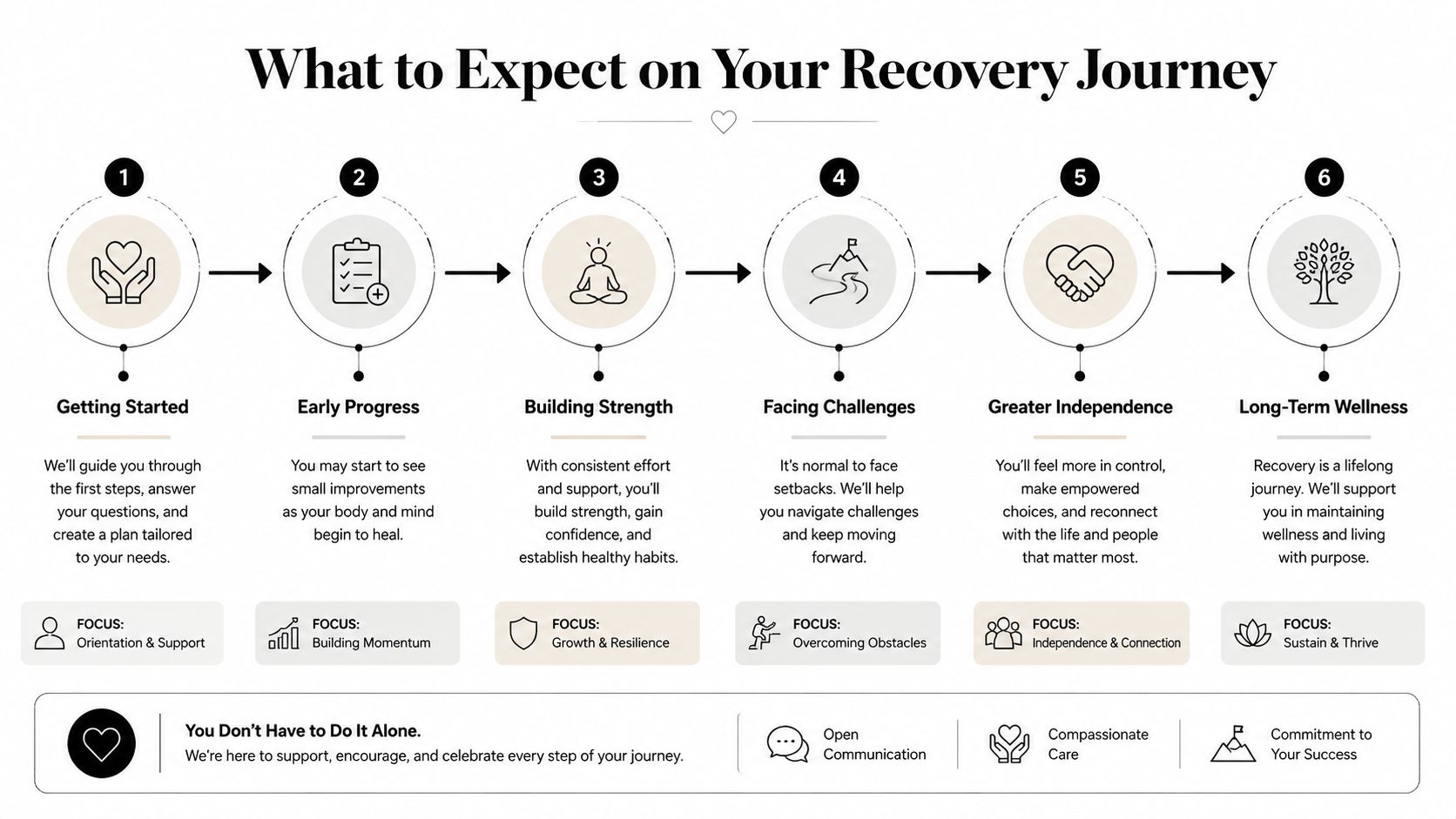
Starting PT is easier when you know what the process entails. Patients are less worried about the work itself than about the unknowns. Will the first visit hurt? Will I get a clear answer? How long until I can do normal things again?
Your first visit
The first appointment usually starts with your story. What happened, what you've tried, what makes symptoms worse, what eases them, and what you need to get back to. That conversation matters because the same body part can behave very differently depending on how the problem started and how long it's been there.
Then comes the evaluation. Your therapist looks at movement, strength, mobility, balance, coordination, and the tasks that bring on symptoms. The goal isn't to chase every possible finding. It's to identify the main drivers of the problem and build a plan around them.
Bring practical information with you:
- Wear clothes you can move in: Shorts, a T-shirt, or anything that lets the involved area be assessed comfortably.
- Bring relevant paperwork if you have it: Imaging reports, post-op instructions, or referral details can be helpful.
- Come ready to talk about goals: “Less pain” is a start, but “walk the dog comfortably” or “return to tennis” is more useful.
How treatment sessions usually work
Follow-up visits are where the plan becomes real. Most sessions combine some mix of symptom reduction, movement work, strength or balance training, and home-program updates. Not every visit feels dramatic. In fact, steady recovery often looks pretty ordinary from day to day.
What tends to help most is consistency. Patients improve when the clinic work and home work support each other. That doesn't mean doing long routines every day. It means doing the right amount of the right work, often enough to build momentum.
A good home program should feel doable on a busy Tuesday, not just on your most motivated day.
Lifestyle habits can also influence recovery more than people expect. Sleep is a common example, especially with back pain. If finding a more comfortable sleeping position is part of the puzzle, this expert advice from New Zealand Bed Company offers practical positioning ideas that can complement your PT plan.
Progress, setbacks, and finishing strong
Recovery is rarely a straight line. A stronger week may be followed by a flare after a long workday, a poor night's sleep, or returning to activity a little too fast. That doesn't mean the plan failed. It usually means the body still needs a better balance between load and recovery.
Therapists watch for a few big markers:
- Symptoms are calming down enough that daily life feels easier.
- Movement is improving with less guarding, better range, or steadier balance.
- Capacity is building so you can do more before symptoms show up.
Graduating from PT shouldn't feel like being cut loose. You should leave with a maintenance strategy, an understanding of your warning signs, and a realistic sense of what to keep doing on your own. If you want deeper educational content on recovery timelines, anatomy, or condition-specific guidance, highbarhealth.com is the right place to keep learning.
Insurance Scheduling and Clinic Information
A lot of East Bridgewater patients reach the same point. Their shoulder still hurts after work, their knee keeps acting up at youth sports practice, or their balance feels less steady than it used to. Once they decide to get help, scheduling and insurance should not become another hurdle.
Getting started without the usual runaround
The East Bridgewater clinic is located at 225 Bedford St, which makes care easier to fit into real life for local families, commuters, students, and older adults who want treatment close to home. Having one clinic that treats a wide mix of rehab needs also helps. A runner dealing with tendon pain, a high school athlete returning after concussion symptoms, and an older adult working on dizziness or balance can all be seen in the same community setting.
For current hours, contact details, and appointment options, use the East Bridgewater physical therapy clinic page.
Where to find us
A few simple steps usually make the first visit go more smoothly:
- Check your insurance ahead of time: Front desk staff can often review the basics with you before the evaluation, including what information to bring.
- Choose an appointment time you can keep: Consistency matters. A realistic time slot usually works better than picking an ideal time you may need to cancel.
- Arrive a little early: That gives you time for check-in and paperwork without feeling rushed.
Local care should feel straightforward. You should know where to go, who you are seeing, and what to bring before you walk through the door. That kind of clarity matters, especially when you are already dealing with pain, stiffness, or a busy family schedule.
Frequently Asked Questions in East Bridgewater
You tweak your back lifting groceries at Shaw's, or your daughter rolls an ankle at practice, and the first question usually is not about exercise science. It is, “What happens if I call?”
That is a fair place to start. People in East Bridgewater usually want clear answers about time, pain, clothing, scheduling, and whether PT will fit into real life.
Common questions people ask before starting
| Common Questions | |
|---|---|
| Question | Answer |
| What should I wear to PT? | Wear comfortable clothes you can move in. If we are checking your knee, shoulder, neck, or back, clothes that let us see that area move are helpful. |
| Do I need to be in severe pain to start? | No. Early treatment often helps people settle things down before stiffness, weakness, or compensation patterns build up. |
| Will every visit be painful? | No. Some parts of rehab are challenging, but treatment should match your irritability level, your goals, and how your body responds between visits. |
| How long does a plan of care last? | It depends on the issue, your baseline strength and mobility, and how often you can attend and follow through at home. A simple strain and a post-surgical recovery do not follow the same timeline. |
| Will I get exercises to do at home? | In many cases, yes. Home exercise gives you a way to keep progress going between visits, especially when your schedule is busy. |
| Is PT only for sports injuries or after surgery? | No. We also see people for balance problems, dizziness, joint stiffness, recurring back or neck pain, work strain, and trouble with everyday movement. |
A few honest answers that matter
A lot of people in town worry about showing up “too late,” being out of shape, or not knowing the right words to describe what hurts. That should not stop anyone from getting evaluated. A good PT visit starts with your story, your movement, and your goals. Not with judgment.
Time is another real concern. East Bridgewater families are juggling work, school drop-offs, youth sports, and caregiving for parents or spouses. The right plan is one you can stick with. Sometimes that means shorter home programs, fewer but more focused visits, or adjusting goals so progress is steady instead of overwhelming.
If you are unsure whether your issue is worth an appointment, use a simple test. Is it affecting how you walk, sleep, drive, work, exercise, or get through the day without thinking about it? If yes, it is worth discussing.
People also ask whether care is easy to access locally. Rehab options in town have expanded over time, which helps. Many clinics now offer prompt evaluations and hours that work better for commuters, students, and active older adults on the South Shore.
That local piece matters more than people think. A therapist who understands the rhythm of East Bridgewater life can build a plan that fits the person in front of them, whether that is a middle school athlete trying to return to the field, a warehouse worker trying to get through a shift, or a retired neighbor who wants better balance and confidence on uneven ground.
If your question is not listed here, call and ask. A short conversation often clears up the uncertainty faster than reading ten different websites.
If you're looking for a neighborly, practical approach to recovery, Peak Physical Therapy and Sports Performance can help you take the next step. Book an evaluation, get a clear plan, and start moving toward less pain, better function, and more confidence in your day-to-day life.