


You feel it in ordinary moments first. You bend to lift a cooler into the car for a Duxbury Beach day, crouch to weed the garden in Norwell, or get down on the floor with your kids in Quincy, and something pinches in your knee or grabs in your low back. A lot of people call that “getting older” or “having tight hips.” More often, it’s a movement problem hiding inside a very normal pattern.
The squat is one of those patterns. You use it every day whether you train or not. Getting up from a chair, lowering into a cabinet, lifting a laundry basket, and picking up a toddler all rely on some version of squat proper form. When that pattern is strong and controlled, daily life feels easier. When it’s off, small tasks start to irritate the knees, hips, back, or even the neck.
Around the South Shore, we see both ends of that spectrum. One person wants to get back to the Plymouth waterfront without knee pain after surgery. Another wants to move better during youth sports season in Hanover. Someone else just wants to stop wincing every time they squat to unload groceries in Braintree. The goal is the same. Move well, build strength, and stop guessing.
If knee discomfort is already part of the picture, our guide to knee pain strengthening exercises from a physical therapist can help you understand the strength side of the problem. For deeper anatomy and condition education, Highbar Health also has broader clinical resources at highbarhealth.com.
Table of Contents
- Why Mastering the Squat Matters on the South Shore
- Building Your Squat from the Ground Up in Braintree
- Mastering the Perfect Squat Motion in Hanover
- Common Squat Mistakes We See in Our Scituate Clinic
- Adapting the Squat for Your Needs in Duxbury and Beyond
- When DIY Fixes Arent Enough See a PT on the South Shore
- Take Your Next Step Toward Pain-Free Movement
Why Mastering the Squat Matters on the South Shore
By late spring, we start hearing the same story in clinic. Someone feels fine walking around town, then their knee or back starts complaining when they spend a Saturday planting in the yard, lifting a toddler in and out of the car, or getting up and down from a beach chair. The squat pattern usually sits right underneath those problems.
On the South Shore, this matters far beyond the gym. A good squat helps on uneven trails at Wompatuck State Park, where you need hip and knee control to step, lower, and change direction without twisting. It shows up when you pick up bags of mulch in Norwell, help your child up the playground ladder in Quincy, or stand from a low seat after a long drive to the Cape. If that pattern is stiff, weak, or poorly timed, daily life starts costing more than it should.
In clinic, squat form gives us a quick window into how your body handles load. We watch whether one leg does more work, whether the trunk stays organized, and whether the ankle, knee, and hip share the job well. Those details matter for someone training under a barbell, and they matter just as much for someone trying to get back to the Plymouth waterfront after knee surgery.
A clean squat pattern also helps us sort out why symptoms keep hanging around. Pain with bending does not always mean the same thing. One person needs more ankle motion. Another needs hip strength or better trunk control. Someone else needs a temporary change in depth, stance, or loading because a perfect-looking squat is not the right goal on day one. That is a real trade-off we make often at Peak Physical Therapy and Sports Performance. We want a squat that your body can tolerate and repeat, then we build from there.
If your knee has been limiting how far you can sit back, stand up, or train, our guide to knee pain strengthening exercises from a physical therapist can be a useful starting point.
Everyday strength is still squat strength
Squat strength carries over to ordinary tasks because it trains coordinated bending and pushing through the whole lower body. That means less reliance on the low back when you reach into a cooler, more control when you lower yourself to the floor to play with your kids, and more confidence getting back up.
Here is where we see it show up most often:
| Everyday task | What a good squat helps with |
|---|---|
| Lifting a child | Hip and trunk control so the knees and back are not doing all the work |
| Yardwork and gardening | Repeated bending and rising with less strain through the back and front of the knees |
| Returning to running or training | Better load sharing through the legs during strength work and daily movement |
| Getting up from the floor | Balance, leg strength, and confidence |
People often work around a squat problem for months. They stop bending fully, shift onto the stronger leg, or avoid strength training because it feels risky. That can calm things down for a while, but it rarely fixes the reason the movement feels bad in the first place.
The goal is not to force everyone into one textbook squat. The goal is to help South Shore residents move well enough to handle the activities they care about, with less pain and more trust in their body. If that has been hard to do on your own, a PT at a local Peak clinic can help you figure out what is limiting the movement and what to change first.
Building Your Squat from the Ground Up in Braintree
In our Braintree clinic, a lot of squat problems show up before the person even starts moving. Someone sets up to pick up a toddler, lower into the garden, or return to gym work after knee surgery, and the base is already off. The feet are unstable, the trunk is loose, or one side is doing more than the other. By the time they reach the bottom, the body is already working around a problem.
Start with your feet
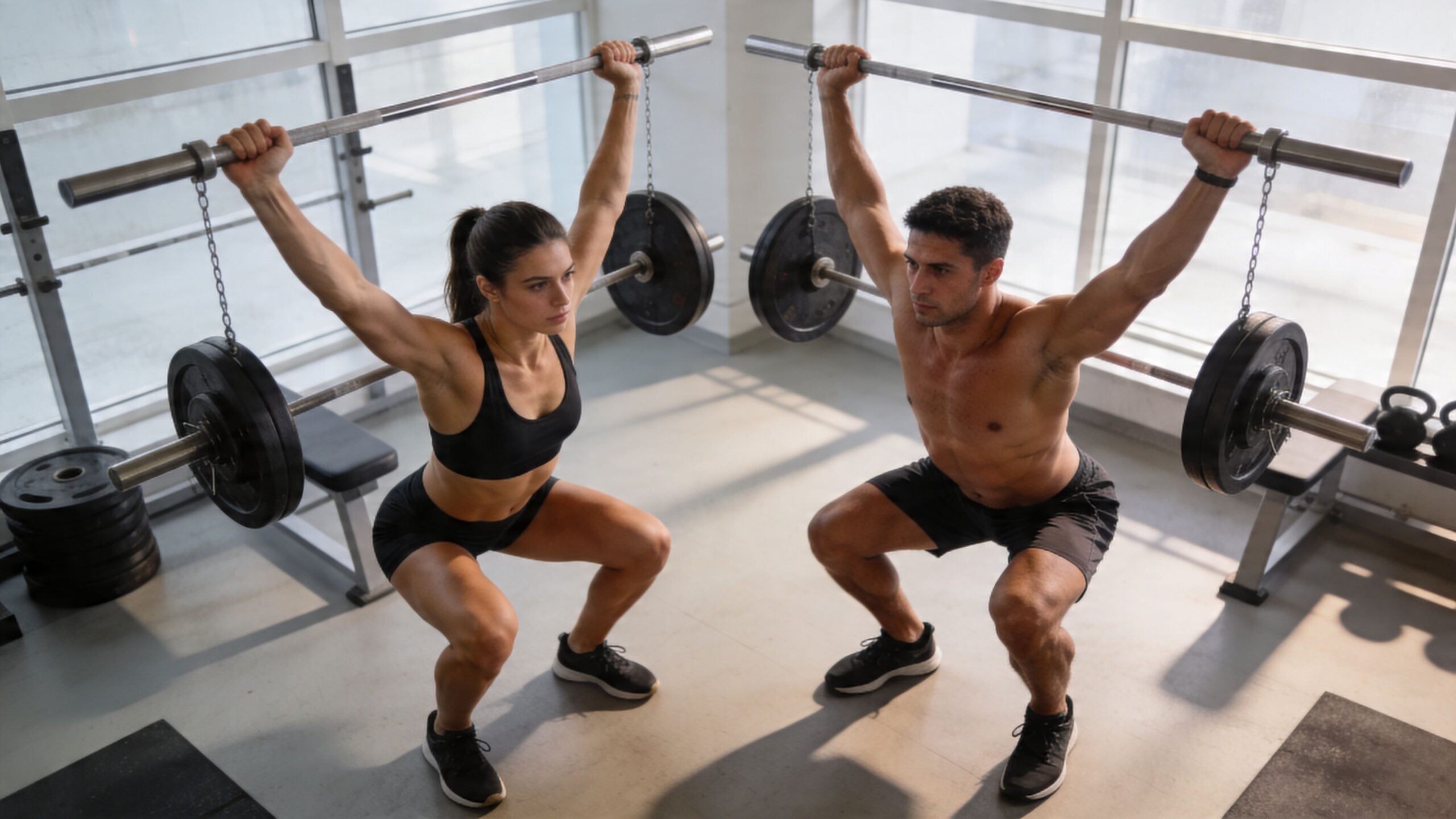
A good squat starts with a base that feels steady and repeatable. Guidance from Cleveland Clinic’s squat form article supports a setup many adults do well with: feet around shoulder-width, toes slightly turned out, heels staying down, and squat depth reaching at least parallel when the body allows it.
That is a starting point, not a rule that fits everyone in Braintree, Quincy, or anywhere else on the South Shore. A taller person with long femurs may need a slightly different stance than someone recovering from an ankle injury. A parent with stiff hips from years of sitting may feel better with a little more toe angle. The right setup is the one that lets you stay balanced and move without pinching, twisting, or shifting.
Use these checks:
- Keep tripod foot contact: heel, base of the big toe, and base of the little toe all stay grounded
- Match knees to toes: your knees should travel in the same general direction as your toes
- Stay centered: pressure should feel even through the middle of the foot, not dumped into the toes or heels
If your heels keep popping up, ankle motion may be part of the problem. These ankle mobility exercises for squats can help you improve the setup without forcing depth your body cannot control yet.
Set your knees hips and spine
Once the feet are set, the body needs to stack over that base. Knees that cave inward, a hip that shifts to one side, or a chest that drops too fast can all turn a simple squat into a painful one. We see this often in Braintree with people who say, “My knee hurts when I squat,” when the underlying issue is poor load sharing from the foot up.
Keep the knees tracking with the toes. Let the hips bend without twisting away from one side. Hold the spine in a controlled, neutral position instead of over-arching to look upright.
A simple clinic cue works well here. If one knee is drifting inward or one foot is collapsing, clean that up before adding weight or depth.
Your spine does not need to stay perfectly vertical. It needs to stay organized. Some forward lean is normal, especially if you are squatting to a chair, lifting a laundry basket, or getting down to the floor with your kids at a Quincy playground. The goal is control, not a picture-perfect shape.
Brace before you move
Bracing gives the squat structure. Before you descend, take a breath into the belly and sides of the trunk, then tighten enough to feel supported. That usually reduces the “all back, no legs” pattern we see in people who are nervous about bending after pain.
Try this sequence:
- Stand tall
- Breathe into your trunk, not just your chest
- Gently tighten your abdominal wall
- Keep that support as you lower and rise
The brace should match the task. You do not need a max-effort gym brace to sit to a chair or pick up beach gear for a Duxbury day. You do need enough trunk control to keep the movement smooth and shared across the hips, knees, and trunk.
If back symptoms keep showing up during squats, add trunk work alongside your form practice. Our guide to core strengthening exercises for back pain is a useful place to start.
A perfect squat is not required for progress. Plenty of South Shore residents need a box squat, heel support, reduced depth, or hands-forward counterbalance at first. If your setup still feels awkward, painful, or uneven after a few tries, a PT at your local Peak clinic can figure out whether the limiter is mobility, strength, balance, or an old injury that never fully settled down.
Mastering the Perfect Squat Motion in Hanover
A Hanover parent feels this part of the squat when lifting a toddler out of the car seat. A high school athlete feels it coming out of the hole on a gym rep. The same rule applies in both cases. The way down sets up the way back up.
Start the motion with a coordinated drop
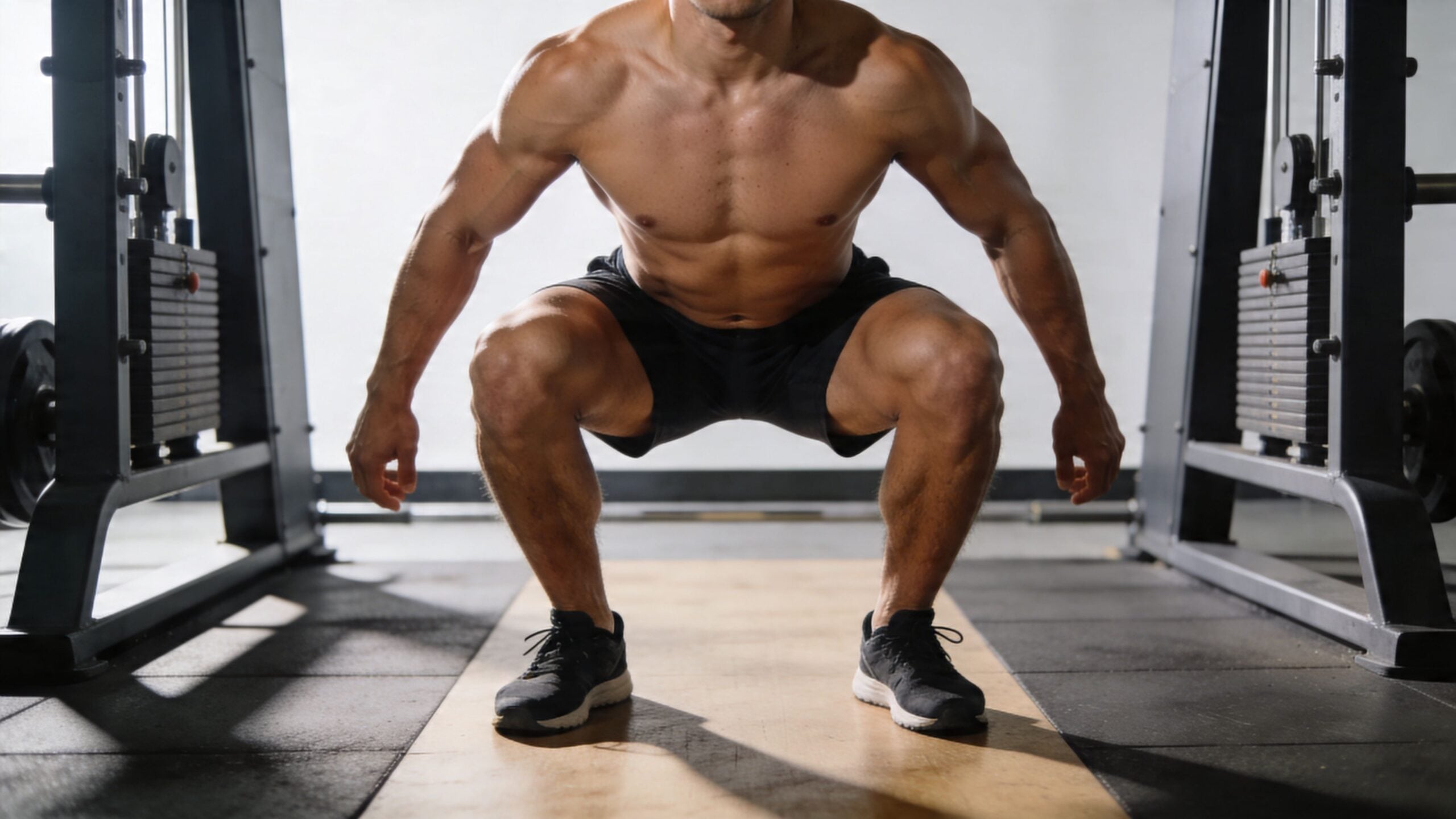
In our South Shore clinics, the cleanest squats usually begin with the hips and knees bending together while pressure stays centered through the foot. For Hanover athletes, that often means better power and fewer ugly reps under fatigue. For adults getting ready for yard work, beach days, or a return to running, it usually means less stress dumped into the back or the front of the knees.
The cue is simple. Sit down between your legs while keeping your whole foot in contact with the floor.
If the knees drive forward too early, the squat often turns quad-dominant and cramped. If the hips shoot back without enough knee bend, the movement starts to look more like a fold than a squat. Both patterns can work around a temporary limitation, but neither is a great default if your goal is a repeatable, comfortable squat.
A few cues tend to help:
- Let the hips and knees start together
- Keep pressure through the heel, big toe, and outer foot
- Lower at a speed you can control
- Keep the chest stacked over the middle of the foot
Make the bottom position honest
The bottom of the squat tells the truth. You can see whether the ankles have enough motion, whether one hip is stiffer than the other, or whether an old knee injury still changes how you load the leg.
Depth should match control. If your heels lift, your knees cave, or your low back rounds hard at the bottom, stop a little higher and clean that up first. For many South Shore residents, especially after knee surgery or a flare of hip pain, that adjustment is the difference between useful practice and irritation.
Ankle stiffness is a common limiter. If that sounds familiar, these ankle mobility exercises for squats can be a helpful place to start. If the pinch is more in the front or side of the hip, targeted hip pain relief exercises for squat-related discomfort may make the position easier to tolerate.
One practical note from strength coaching that still holds up for general movement training. Squat instruction from StrongLifts emphasizes a hip-led descent, staying balanced over the midfoot, and keeping the knees tracking well as depth increases. Those are useful principles whether you are squatting a barbell or standing up from a low couch in Hanover.
Come up as one piece
The ascent should look calm and connected. Push the floor away, keep the foot planted, and let the hips and chest rise together.
When the hips jump up first, the back ends up doing more than it should. We see that a lot in people who are strong enough to force the rep but not controlled enough to own it. In real life, that is the pattern that can show up when you pick up a bag of mulch in Norwell or stand up after kneeling in the garden.
Try this on the way up:
- Keep your eyes forward or slightly down
- Drive through the full foot
- Bring the chest and hips up together
- Finish tall without leaning back
A perfect squat is not required. A usable squat is. If your form keeps breaking down because of pain, stiffness, or an old injury, get it assessed. A physical therapist at your local Peak clinic can tell you whether you need mobility work, strength changes, a different squat variation, or a plan to return to full depth safely.
Common Squat Mistakes We See in Our Scituate Clinic
In Scituate, squat problems often show up outside the gym first. We hear it from people who notice knee pain lifting a cooler onto the boat, back tightness after working in the yard, or a shaky crouch when helping a child on the beach. The squat pattern is part of all of that, so the mistakes matter long before a barbell enters the picture.
A rep can look finished and still be inefficient. The body is good at finding a workaround. In clinic, our job is to figure out whether that workaround came from stiffness, weakness, pain, or an old injury that never got fully addressed.
When the knees cave in
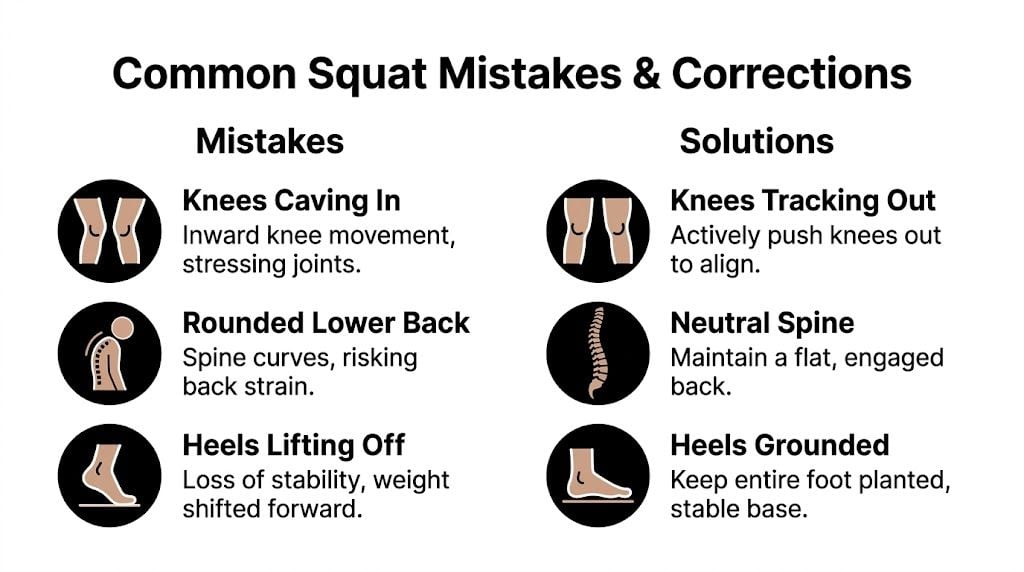
Knees drifting inward is one of the patterns we correct most often. In our Scituate clinic, it shows up a lot in active adults who are strong enough to push through the movement but do not have great control through the hips and feet, especially on one side. We also see it after time away from training, after knee pain, and after ankle injuries that changed how a person loads the ground.
That inward collapse usually is not a knee problem alone. It often starts lower or higher. The foot loses pressure through the tripod, the hip is late to control rotation, or the person is using a depth they cannot manage cleanly.
Start here:
- Keep pressure through the heel, base of the big toe, and base of the little toe
- Let the knees track over the middle toes instead of forcing them wide
- Slow the rep enough to notice where the collapse starts
- Use a supported squat variation until control improves
On the South Shore, this matters for more than workouts. It is the same pattern that can irritate a knee when you squat down to pull weeds in Norwell or get up and down with your kids at a park in Quincy.
When the low back rounds
A little change in pelvic position at the bottom is not always a problem. A repeated loss of low back position, especially when it matches your pain, deserves attention.
I usually tell patients to stop arguing with their anatomy. Some people can squat deep with an upright torso. Some cannot, at least not yet. Long femurs, limited ankle motion, hip stiffness, prior surgery, and pain all change what a good squat looks like. Chasing a picture-perfect rep can turn a training exercise into an aggravating one.
A better first step is to own a smaller range.
Clinic takeaway: If the bottom of the squat keeps pulling your back into flexion, shorten the range and clean up the motion before going deeper.
That can mean squatting to a box, holding a counterweight, or changing stance width. If hip pinching or stiffness is part of the problem, our guide to hip pain relief exercises for stiff or irritated hips can help you sort out what feels tight versus what is being irritated.
When the heels pop up or the chest drops
These faults often travel together, and we see them often with people training for beach season who are trying to squat deeper than their ankles currently allow. On sand, on stairs, or getting in and out of a low beach chair, that forward shift becomes pretty obvious.
Here is the simple way we explain it in clinic. If the heels lift, the body has usually run out of ankle motion or lost balance over the midfoot. If the chest falls hard, the hips and trunk are not sharing the load well, or the person is trying to create depth by folding forward.
| Fault you notice | What it often suggests | First adjustment to try |
|---|---|---|
| Heels lifting | Limited ankle motion or forward weight shift | Reduce depth and use a small heel lift or ankle mobility work |
| Chest collapsing | Poor trunk control or hips drifting back too far | Brace earlier and keep the ribs stacked over the pelvis |
| One-sided shift | Strength or mobility asymmetry | Use supported reps and compare sides |
One-sided shifts are worth taking seriously. They are common after old knee and ankle injuries, and they are easy to miss unless someone is watching from the front. A person may say, “My squat feels off,” when what is really happening is a protected side that never resumed normal loading after surgery or a painful flare.
Partial squats have a place. So do heel lifts, box squats, and goblet squats. The trade-off is simple. Modifications should help you train a cleaner pattern, not help you avoid the issue forever.
If your squat still breaks down despite a few smart changes, get it assessed at a local Peak clinic. We can tell whether you need mobility work, strength work, a different squat variation, or a plan to return to deeper squatting without stirring up your back, hip, or knee.
Adapting the Squat for Your Needs in Duxbury and Beyond
A useful squat is the one that fits your body and your goal right now. On the South Shore, that might mean building enough control to lift a toddler into a car seat in Duxbury, kneel and stand through a morning of gardening in Norwell, or feel steady again before summer walks on Duxbury Beach.
A safe starting point matters
Depth is earned. It does not need to be forced.
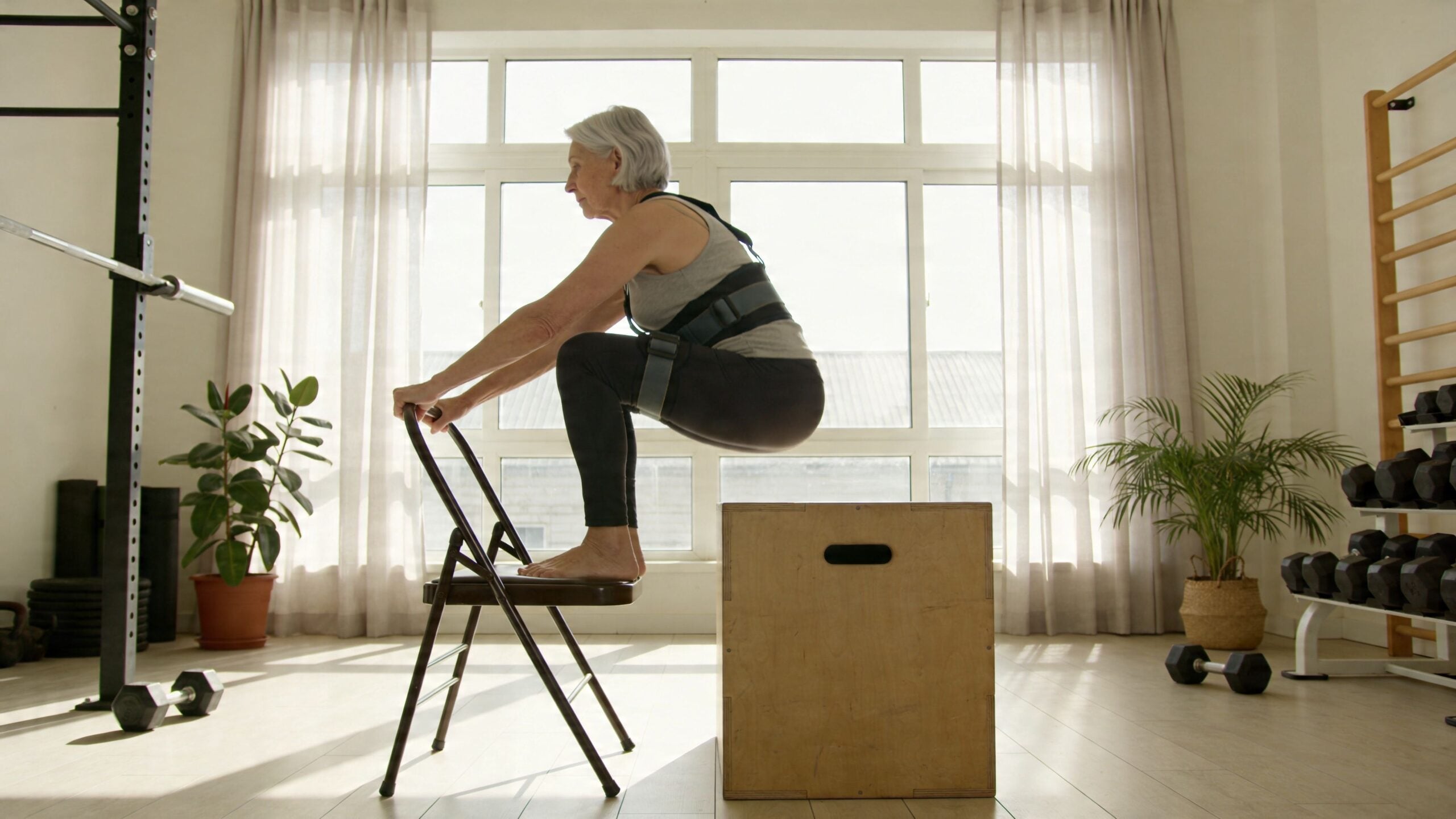
For many people, the best place to start is a squat they can repeat without pain, wobbling, or a protective shift to one side. A half squat to a chair may be the right choice for someone with knee arthritis who wants to get through errands and stairs with less irritation. A box squat may make more sense for a runner returning to the Plymouth waterfront after knee surgery, because it gives a clear depth target and keeps the work honest.
I tell patients this all the time in clinic. If a smaller squat is clean and comfortable, that is a better training tool than a deep squat that irritates the joint and teaches your body to compensate.
Useful squat variations for real life on the South Shore
Different versions solve different problems. The goal is to match the variation to the person in front of you.
Box squat
Helpful for people who need a clear stopping point. We use it often with adults rebuilding confidence after pain, after surgery, or after a period of reduced activity. It can be a practical choice for someone in Duxbury who wants to return to paddleboarding or beach walking and needs leg strength without dropping into an uncomfortable depth.Goblet squat
Good for people who tip forward or lose trunk position. The front load often helps keep the chest more upright and makes it easier to feel where the body is in space.Supported squat
Using a counter, rail, or TRX-style strap can make the movement feel safer and more controlled. This works well for older adults, anyone with balance concerns, or parents in Quincy who want to get up and down from the floor with their kids without feeling unsteady.Split squat or sit-to-stand
Some people are not ready for a full two-leg squat pattern. A split squat can build strength side to side. Sit-to-stand practice can be the better entry point if the real goal is getting out of a chair, off the couch, or up from the garden bed without pain.Barbell squat
This is useful for some athletes and lifters, but it is not the default. It makes sense after the pattern is controlled and the joints are tolerating load well.
There is always a trade-off. More support usually means less balance demand. Less depth usually means fewer symptoms, but also less exposure to the positions you may eventually want to regain. That is why the right modification should move you toward your goal, not keep you stuck at the same level forever.
Sometimes a perfect-looking squat is not realistic yet, especially after a meniscus injury, hip replacement, ankle stiffness, or a long stretch of back pain. That does not mean you stop training. It means you choose the version your body can handle, then build from there with a plan.
If you are not sure which version fits your situation, get assessed at a local Peak clinic. We help South Shore residents figure out whether the limit is mobility, strength, pain sensitivity, balance, or post-surgical protection, then match the squat variation to real life. That may mean getting back to playground trips, yard work, or your usual summer routine without your knees or back calling the shots.
When DIY Fixes Arent Enough See a PT on the South Shore
Some form issues respond quickly to better setup, slower reps, and a good mobility plan. Others don’t. If your squat keeps hurting no matter how carefully you cue it, that’s usually a sign the problem is deeper than one verbal tip can solve.
Red flags that deserve an assessment
A few patterns should push you toward a physical therapy evaluation instead of more trial and error:
- Sharp or pinching pain: Especially if it shows up every time you hit a certain depth.
- Symptoms that travel: Pain, tingling, or discomfort radiating into the leg or up into the neck deserves a closer look.
- Persistent asymmetry: If you always shift off one leg or twist at the same point, your body is protecting something.
- Post-surgical uncertainty: If you’re returning after a knee, hip, or ankle procedure, guessing is rarely the fastest path back.
One issue people miss all the time is head position. According to Elite Therapy Centers’ discussion of safe squat form, up to 50% of lifters show excessive cervical extension by looking up during squats, and proper form calls for a chin tuck with the gaze fixed 6 to 8 feet ahead. That matters for people with neck pain, headaches, TMJ symptoms, dizziness, or a history of concussion.
If squats bother your neck even when your back and knees seem fine, check your head position before you blame the exercise itself.
Why form videos are not always enough
Video can help, but it has limits. You can see a heel lift on video. You can’t always tell whether it’s caused by ankle stiffness, hip guarding, fear of depth, weakness, or pain avoidance. That distinction matters because the right fix depends on the cause.
A good PT assessment connects the visible problem to the actual driver underneath it. Sometimes the answer is mobility work. Sometimes it’s graded loading. Sometimes it’s balance retraining, post-surgical progression, or hands-on treatment to calm an irritated area enough for movement practice to stick.
If you’re in Braintree, Scituate, Quincy, Plymouth, or another South Shore town and self-correction keeps stalling out, that’s not a failure. It’s usually a sign you’ve reached the point where an experienced set of eyes will save you time.
Take Your Next Step Toward Pain-Free Movement
A useful squat matches the body you have today. It reflects your current hip and ankle mobility, your leg strength, your balance, and how much load your joints can tolerate without flaring up later. That is the version of squat proper form that carries over to real life on the South Shore.
For one person, that might mean practicing sit-to-stands before getting down in the garden in Norwell. For another, it means changing depth so picking up a toddler in Quincy feels easier, or rebuilding confidence before returning to runs along the Plymouth waterfront after knee surgery. If you are also dealing with the normal soreness that comes with getting stronger again, this guide on how to reduce soreness and recover faster may help you feel better between sessions.
Perfect form is not always available, especially after an injury, during a pain flare, or with long-standing stiffness. That does not mean you should force the movement or stop squatting altogether. It means the exercise needs to fit you.
If bending, lifting, training, or getting ready for Duxbury Beach season keeps bringing on pain, stiffness, or a sense that your legs cannot trust the movement, address it directly. Working around the problem for another few months usually keeps people stuck, and sometimes makes everyday tasks harder than they need to be.
If squatting hurts, feels unstable, or just never seems to improve, book an appointment with Peak Physical Therapy and Sports Performance. Our South Shore clinics in Braintree, Quincy, Weymouth, Cohasset, Duxbury, East Bridgewater, Hanover, Kingston, Milton, Norwell, Pembroke, Plymouth, and Scituate help adults, athletes, post-surgical patients, and older adults move with more confidence and less pain.